
XERF vs Thermage: Understanding the new generation of radiofrequency skin tightening
Non-surgical skin tightening has become increasingly popular as more people are looking for ways to maintain a youthful appearance without surgery, needles, or significant downtime. Rather than waiting until skin laxity becomes severe enough to consider a facelift, many patients are taking a more proactive approach to preserving their skin’s firmness and facial contours as they age.
Radiofrequency (RF) technology has been used for skin tightening for over two decades, but not all RF devices are created equally. Thermage was one of the pioneers in non-surgical skin tightening. But newer technologies such as XERF have introduced more advanced ways of delivering RF energy to different depths. So what actually has changed, and do these technological advancements translate into better results?
Both XERF and Thermage use monopolar Radiofrequency (RF) to improve skin firmness, reduce the appearance of sagging facial features by stimulating collagen for natural-appearing results without surgery or downtime.
The key benefit of XERF is its newer dual-frequency technology (6.78 MHz and 2 MHz), which allows for more flexibility in delivering RF energy to different depths. XERF also incorporates Wave Fit Pulse technology, real-time skin temperature monitoring, and advanced cryogen cooling to improve treatment comfort and safety.
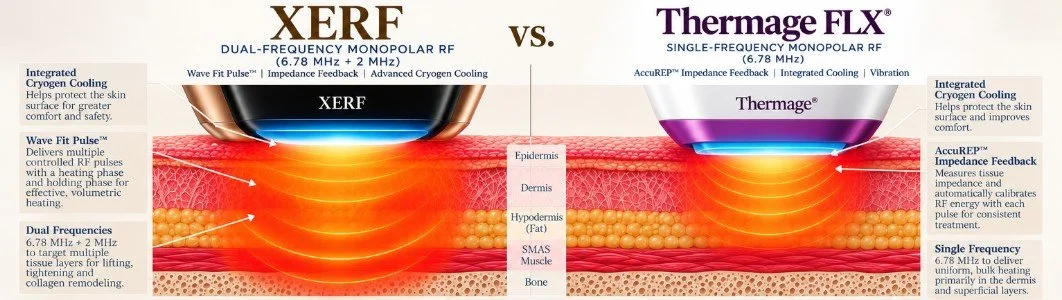
XERF vs. Thermage FLX
Two monopolar radiofrequency skin-tightening technologies. Different approaches to energy delivery, tissue heating and treatment customization.
XERF and Thermage FLX both use monopolar radiofrequency (RF) energy to heat tissue and stimulate collagen remodeling. However, the technologies differ in several important ways. XERF combines dual-frequency radiofrequency, Wave Fit Pulse™ technology and integrated cryogen cooling, while Thermage FLX uses single-frequency 6.78 MHz monopolar RF with AccuREP™ technology, integrated cooling and vibration.
| Feature | XERF | Thermage FLX® |
|---|---|---|
| Technology | Dual-frequency monopolar radiofrequency: 6.78 MHz + 2 MHz. | Single-frequency monopolar radiofrequency: 6.78 MHz. |
| RF Delivery & Control | Wave Fit Pulse™ technology divides RF energy into multiple controlled pulses, creating progressive tissue heating followed by a holding phase designed to help maintain therapeutic heat within the tissue. | AccuREP™ technology automatically calibrates RF energy delivery with each pulse to promote consistent treatment. |
| RF Frequencies | XERF combines 6.78 MHz and 2 MHz monopolar RF, providing greater flexibility in how RF energy is distributed across different tissue levels. | Thermage FLX uses a single 6.78 MHz monopolar radiofrequency. |
| How It Works | XERF produces broad, volumetric RF heating across multiple tissue layers to stimulate collagen remodeling, tightening and structural support. | Thermage FLX delivers monopolar RF energy to create volumetric tissue heating for collagen contraction and remodeling. |
| Heating Pattern | Broad, volumetric heating designed to distribute thermal energy across multiple tissue levels rather than concentrating heat at a single predetermined depth. | Volumetric monopolar RF heating using a single 6.78 MHz frequency. |
| Depth & Tissue Heating | The combination of 6.78 MHz + 2 MHz RF provides additional flexibility in energy delivery across superficial and deeper tissue levels. | Thermage FLX uses a single 6.78 MHz RF frequency to produce volumetric heating. Unlike XERF, it does not incorporate a second 2 MHz RF frequency for additional depth-dependent energy delivery. |
| Cooling | Advanced Integrated Cryogen Delivery provides surface cooling during RF delivery to help protect the epidermis while therapeutic heat develops within the underlying tissue. | Integrated cooling helps protect the skin surface during RF energy delivery. Thermage FLX also incorporates vibration to improve patient comfort. |
| Treatment Customization | XERF combines dual-frequency RF, Wave Fit Pulse™, selectable treatment settings and integrated cryogen cooling to customize energy delivery according to the treatment area and patient needs. | Thermage FLX uses AccuREP™ technology to automatically calibrate RF energy delivery with each pulse for consistent treatment. |
| Primary Benefits | Non-invasive skin tightening, improvement in skin laxity, collagen remodeling and facial contouring. | Non-invasive skin tightening and collagen remodeling for the face, eyes and body. |
| Comfort | Wave Fit Pulse™ technology and integrated cryogen cooling are designed to improve comfort while allowing therapeutic tissue heating. Treatment is typically performed without topical numbing. | Thermage FLX incorporates vibration and integrated cooling for comfort. Patient experience varies according to treatment area, energy settings and individual sensitivity. |
| Downtime | Little to no expected procedural downtime. Mild, temporary redness or tenderness may occur. | Little to no expected procedural downtime. Mild, temporary redness or tenderness may occur. |
| Ideal For | Patients seeking non-invasive skin tightening, improvement in laxity and broad collagen remodeling with minimal downtime. | Patients seeking established monopolar RF technology for non-invasive skin tightening and collagen remodeling. |
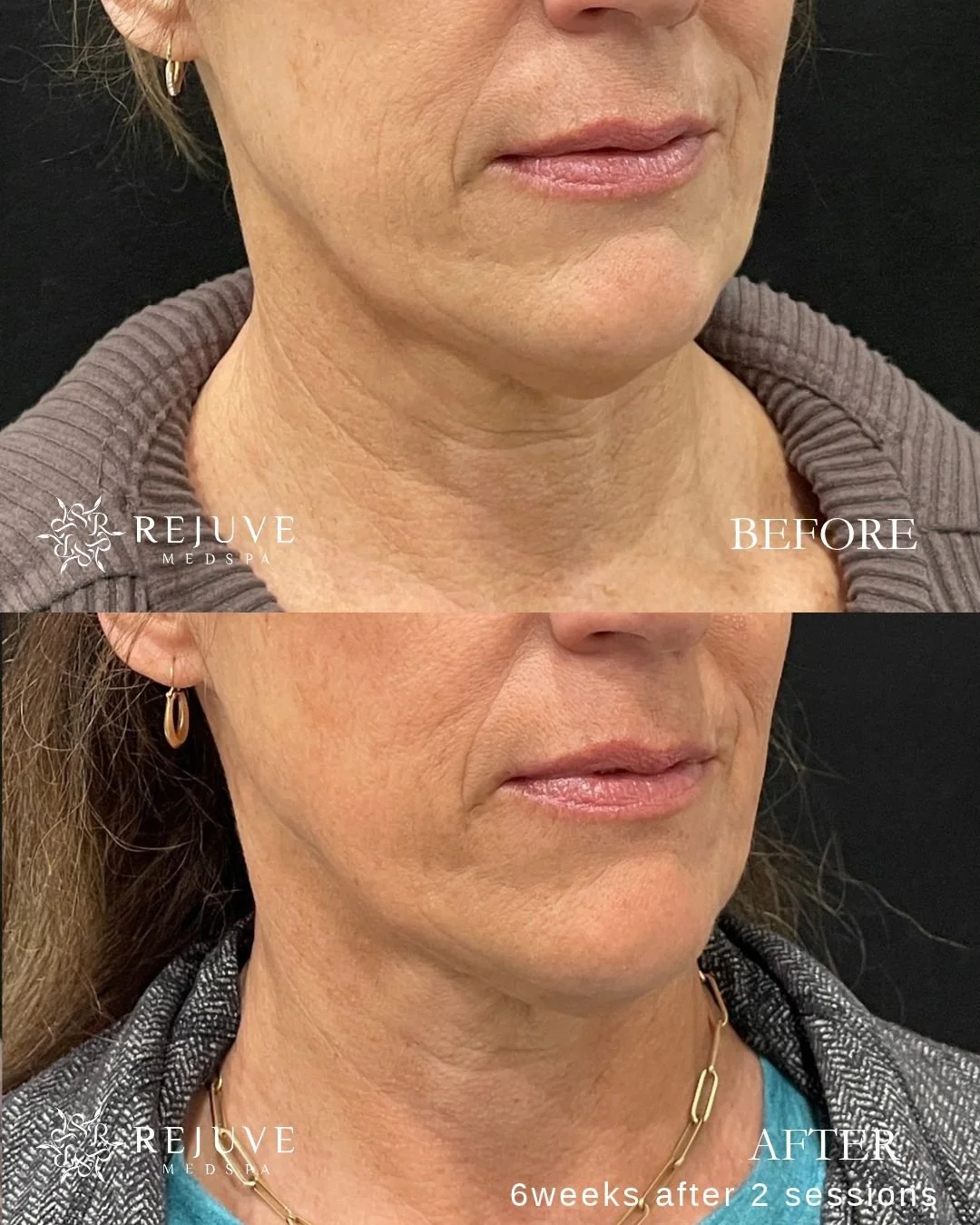
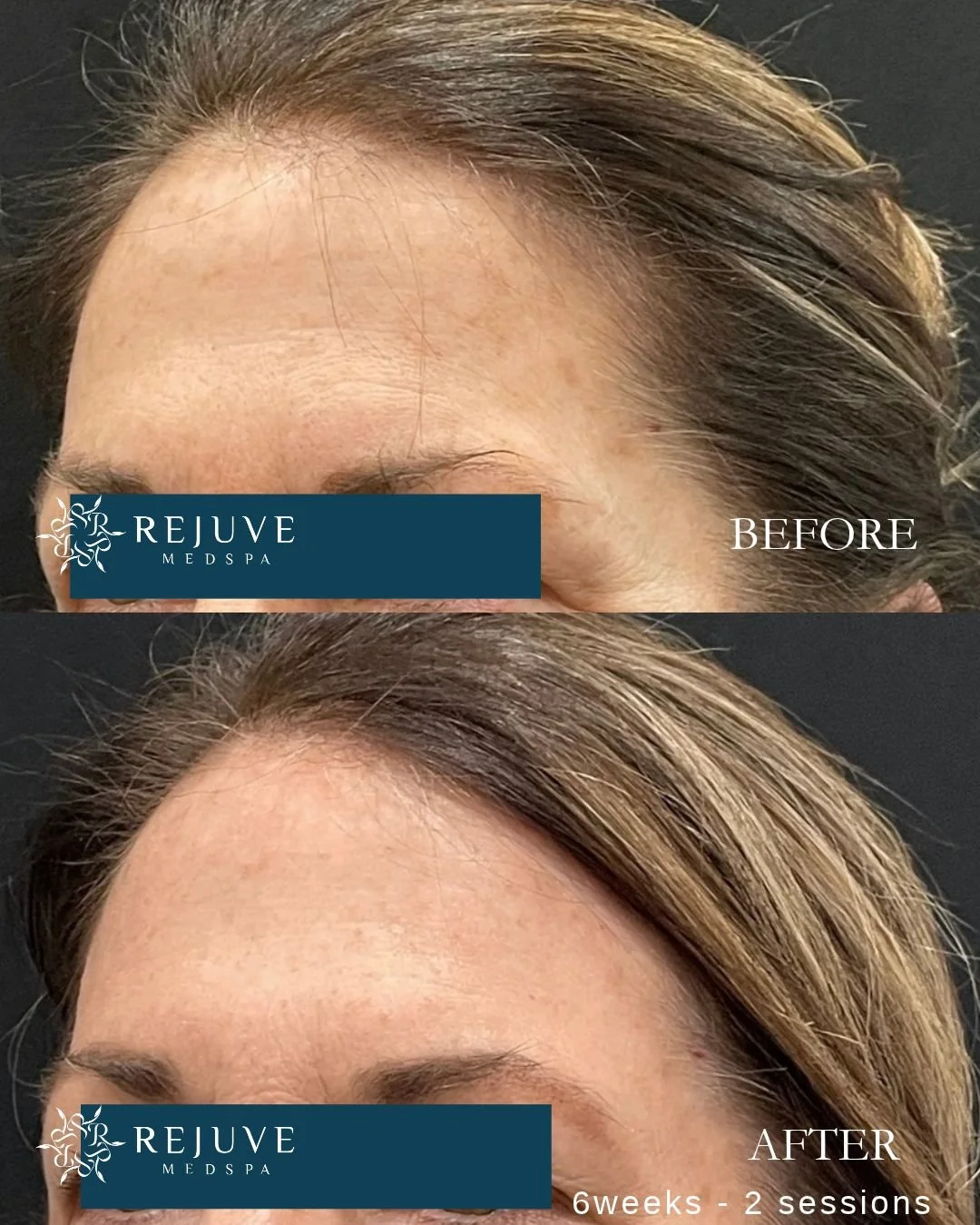
XERF Before and After Photos:



FAQ’s for XERF vs Thermage:
Is XERF better than Thermage?
There are currently no published head-to-head clinical studies establishing that XERF produces better results than Thermage. XERF offers several technological advancements including dual frequency RF, multiple depth settings, Wave Fit Pulse technology, and advanced cooling. These features allow for greater flexibility in customizing treatments based on individual skin conditions and goals.
What is the Main difference between XERF and Thermage?
The main difference is how radiofrequency energy is delivered to the tissue. Thermage FLX uses a single 6.78 MHz monopolar RF frequency to generate heat while XERF uses two frequencies, 6.78 MHz and 2 MHz. The dual frequencies allow for greater depth and flexibility in distributing energy.
Is XERF less painful than Thermage?
XERF incorporates Advanced Integrated Cryogen Delivery to protect the skin surface while RF energy heats the underlying tissue. The vast majority of patients tolerate XERF without topical numbing, although brief sensations of heat or mild to moderate discomfort can occur. Although Thermage uses cooling and vibration to improve comfort, patients often may still experience significant heat or discomfort depending on treatment setting and individual sensitivity.
Does XERF penetrate Deeper than Thermage?
Because XERF has dual frequencies (6.78 and 2 MHz), it has the ability to penetrate deeper than Thermage which only uses a single frequency (6.78 MHz). Unlike RF microneedling or focused ultrasound devices (Ultherapy, Sofwave) that deliver energy at specific predetermined depths, monopolar RF creates a broader area of tissue heating. The distribution of monopolar RF energy depends on several factors including frequency, tissue impedence, electrode configuration, and treatment settings.
Is XERF or Thermage better for tightening jowls, jawline and neck?
Both XERF and Thermage can be used to address mild to moderate skin laxity and improve the appearance of facial contours.
However, not all sagging is caused by loose skin alone. Changes in facial fat, bone structure, retaining ligaments, and deeper supporting tissues also contribute to the aging process.
XERF's dual-frequency technology and adjustable depth settings provide additional flexibility when treating different tissue layers. This may be particularly useful when developing a treatment plan for patients concerned about early jowling and loss of jawline definition.
Can XERF or Thermage cause facial fat loss?
Unwanted facial fat loss is a concern with energy-based skin-tightening treatments, particularly in patients who already have a thin face or significant age-related volume loss.
Both Thermage and XERF use radiofrequency energy to heat tissue. Because RF energy interacts with the electrical properties of tissue, including water content and impedance, the distribution of heat can vary between different tissue layers.
Although XERF's adjustable settings and cooling technology provide greater control over treatment delivery, this does not eliminate the possibility of unwanted heating of subcutaneous fat. So it is very important to choose a qualified, experienced provider who understands RF technology, patient anatomy, individual variations, and treatment goals.
HOw many treatments are needed with XERF vs Thermage?
Both XERF and Thermage can produce visible improvements after a single treatment, although additional sessions may be appropriate depending on the patient's skin condition and treatment goals.
Some patients with early skin laxity may achieve satisfactory improvement with one session, while others with more advanced signs of aging may benefit from additional treatments or a long-term maintenance plan.
How long do XERF and Thermage results last?
Both treatments stimulate collagen remodeling, which occurs gradually over several months. Some patients notice early tightening, while additional improvements develop as collagen remodeling progresses.
Thermage reports that results may last approximately 1–2 years, depending on skin condition and the natural aging process. XERF is a newer technology, and long-term clinical data are more limited.
How long results last depends on numerous factors, including age, genetics, skin quality, degree of laxity, lifestyle, environmental exposure, and individual response to treatment.
Younger patients with relatively good collagen integrity may require less frequent maintenance, while older patients with more advanced laxity may benefit from reassessment every 6–12 months.
Is there any downtime with XERF or Thermage?
One of the biggest advantages of both treatments is that there is little to no expected downtime. Patients can typically return to their normal activities immediately following treatment. Temporary redness, mild swelling, tenderness, or sensitivity may occur, but these effects are generally short-lived.
Can I have XERF if I’ve already had Thermage?
XERF and Thermage should not be performed on the same day. Any energy based treatment can cause complications such as hyper-pigmentation, excessive inflammation, and thermal injury without necessarily improving clinical outcome. It is prudent to wait at least 4–6 weeks between XERF or Thermage treatments to allow the tissue to recover and collagen remodeling to begin. Alternating between the two treatments options is acceptable depending on the patient's skin condition, treatment history, and individual goals.