
Why Are Plastic Surgeons Discouraging Nonsurgical Skin Tightening? A Physician's Perspective
I always find it interesting to hear plastic surgeons' perspectives on nonsurgical skin tightening treatments. Their expertise in facial anatomy and surgical techniques is incredibly valuable; however, nonsurgical energy-based treatments are a distinct area of aesthetic medicine that requires its own clinical experience and technical understanding.
Providers who regularly perform these treatments have the opportunity to observe patient outcomes firsthand and understand how treatment technique, energy delivery, device settings, and patient selection can significantly influence results. Each skin tightening technology is different, and outcomes are often highly dependent on the knowledge and skill of the person performing the treatment.

In many ways, this is similar to surgery. The same surgical procedure can produce different outcomes depending on the surgeon's experience, technique, and clinical judgment. Nonsurgical skin tightening should be viewed with the same level of nuance—both the technology and the expertise of the provider matter.
As a medical doctor performing nonsurgical cosmetic treatments since 2019 combined with 20 years of Emergency Medicine experience, I have been performing Genius RF microneedling, Exilis Ultra 360, and most recently XERF (needle-free dual radiofrequency) with outstanding results. During a consultation, I show patients realistic before/after photos to help determine if the patient is a good candidate for the treatment. Patients who typically come to medspa’s are generally seeking non-surgical options for rejuvenation, but occasionally I will tell a patient that plastic surgery is their best option to achieve the results they are looking for.
Why do some plastic surgeons advise against nonsurgical skin tightening treatments?
In my opinion, part of the discussion may reflect the different perspectives and incentives within aesthetic medicine. Plastic surgeons primarily specialize in—and build their practices around—surgical procedures, while nonsurgical providers often focus on earlier intervention, maintenance, and preventative approaches to facial aging.
Patients who begin treatments such as XERF or RF microneedling earlier in the aging process may be seeking to improve skin laxity and maintain tissue quality over time. For many patients, this approach may delay their desire for surgical intervention or reduce the likelihood that they pursue surgery altogether.
It is reasonable to acknowledge that financial incentives exist throughout aesthetic medicine, including both surgical and nonsurgical practices. Rather than assuming that one perspective is inherently more objective than the other, I believe patients benefit most when recommendations are based on anatomy, realistic expectations, and the treatment that is most appropriate for their individual goals.
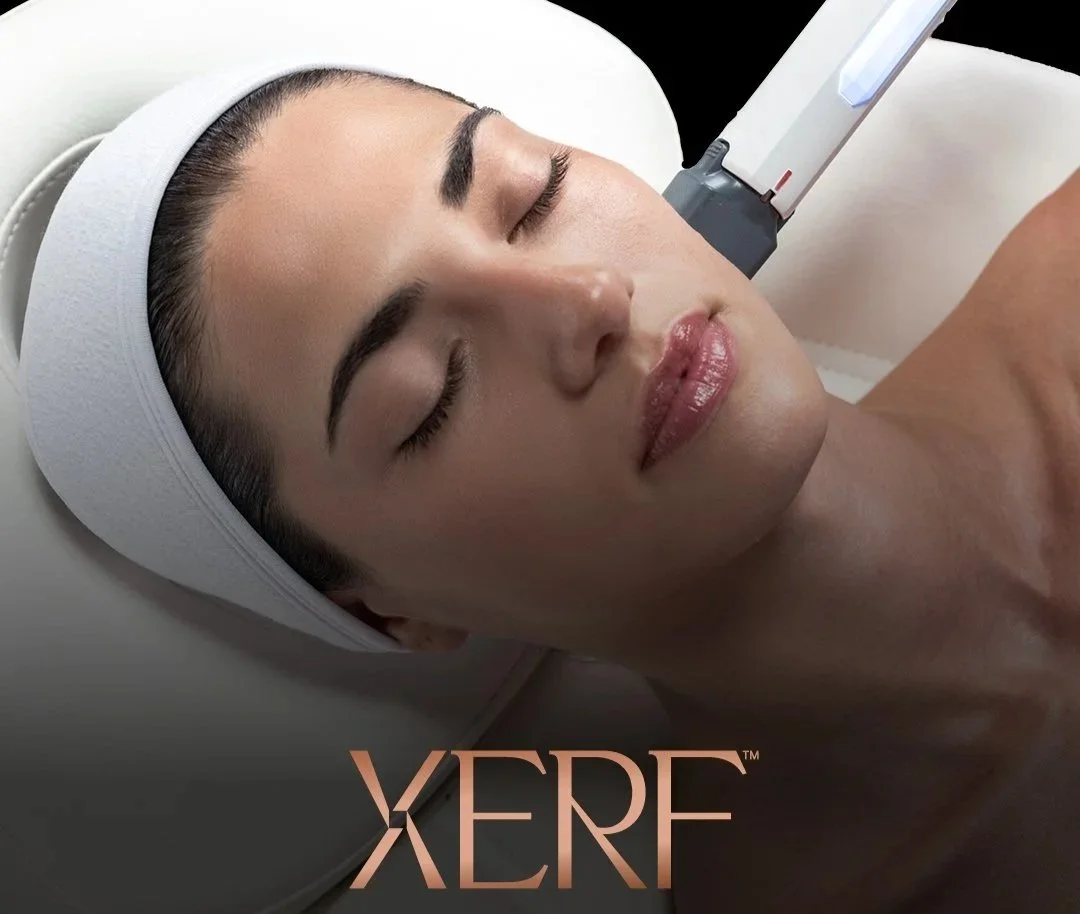
How does XERF work and what are the benefits compared to facelifts?
XERF is a non-invasive Radiofrequency device that provides two different frequencies to allow for deeper penetration than other skin tightening devices. XERF affects the retaining ligaments and SMAS layer(superficial musculoaponeurotic system) to improve the structural integrity of the tissue underneath the skin. The treatment is comfortable as a result of built-in cryogen that keeps the skin cooler while the heat is transferred deeper.
What is the best age to start XERF?
We start to loose about 1% of collagen every year from the age of 25 years old. Starting XERF in your 30’s is a good way to replace the collagen that we naturally lose through the aging process. This early start helps to prevent thinner, more textured appearance of skin as well as the associated sagging that occurs with gravity over time. Starting XERF at later ages will help to reverse some of these changes, and regular maintenance is recommended (one treatment per year).
lifting effects of xerf vs facelift:
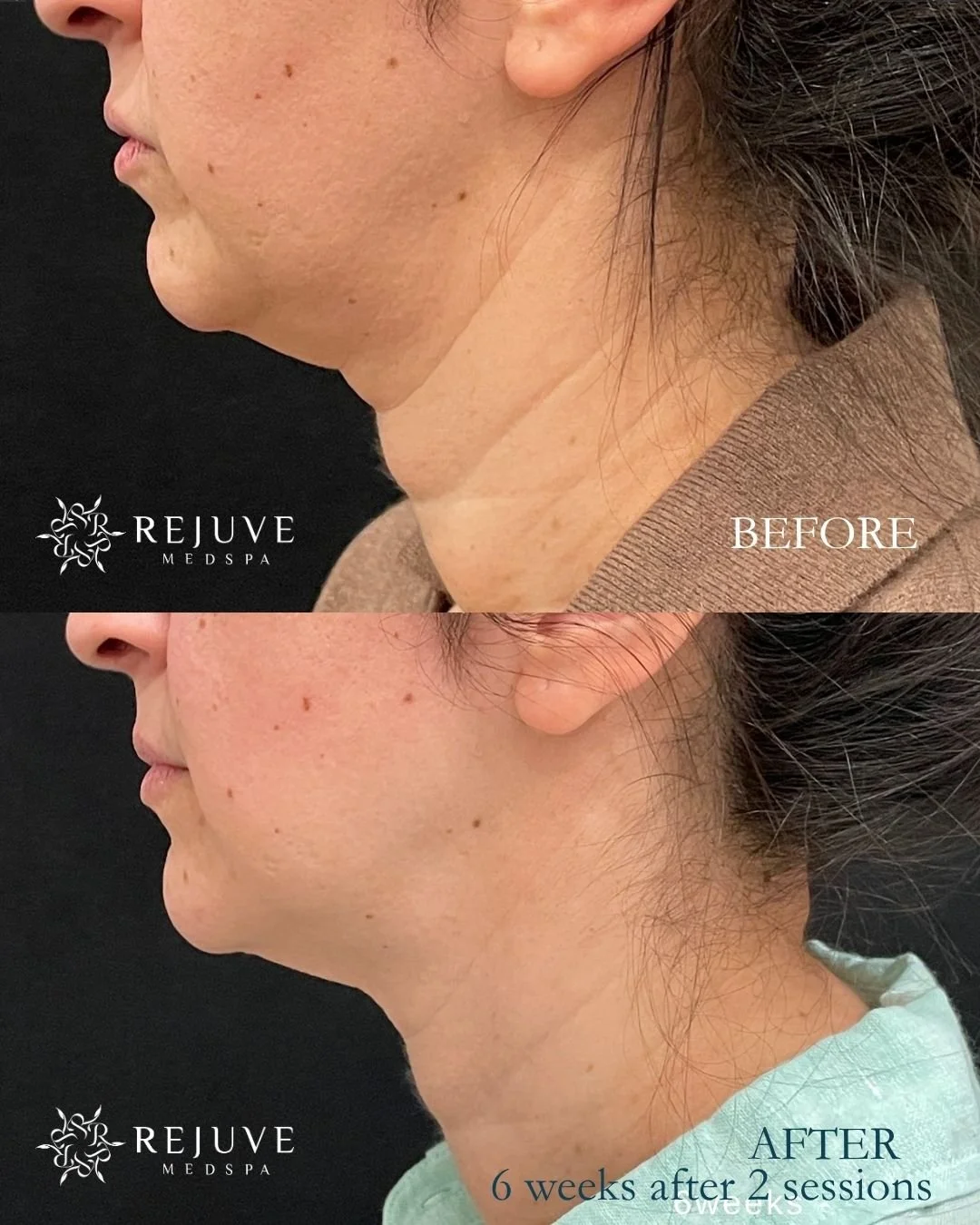
Strengthening the SMAS layer and retaining ligaments with XERF creates a lifting effect non-surgically, whereas a deep plane facelift relies on a surgical approach to release the natural retaining ligaments in order to reposition the deep facial structures. The lifting effect with XERF can be less dramatic than with plastic surgery in patients with more skin laxity. While surgery may work best in older patients with more sagging and loose skin, XERF can be performed at earlier ages to prevent laxity and loose skin. XERF can also be used in conjunction with plastic surgery to preserve the lifting effects of a deep plane facelift.
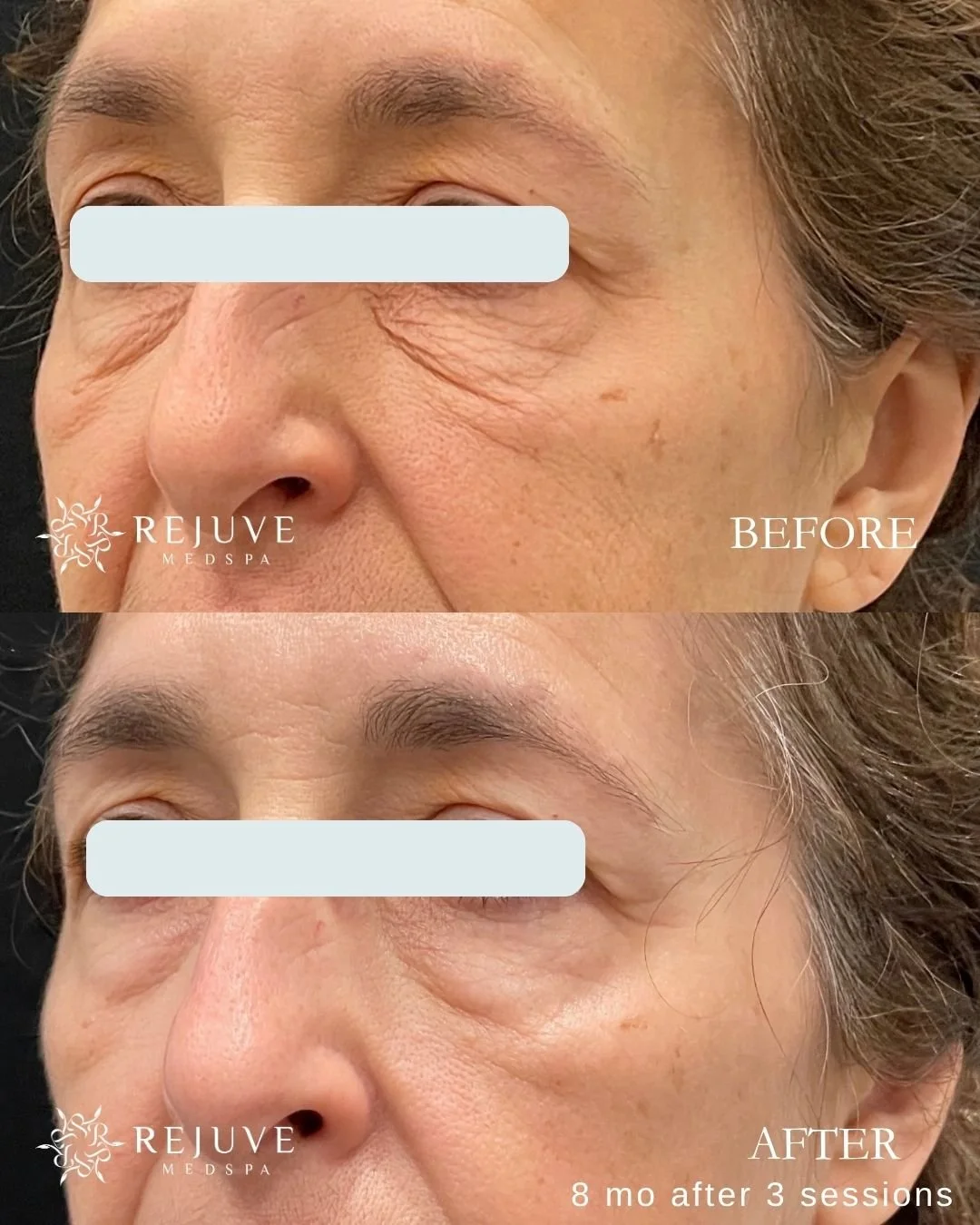
improving wrinkles and skin texture with xerf vs facelift:
By boosting collagen, XERF can improve the appearance of wrinkles for a brighter, smoother complexion. Facelifts improve the appearance of wrinkles by stretching the skin and cutting away excess loose skin, but that does not change the quality of the existing skin. XERF can be used in conjunction with plastic surgery to preserve the lifting effects of a deep plane facelift while also improving the quality of the skin. Alternatively, XERF can delay or prevent the need for a facelift especially if started at the age of 30’s or 40’s.
improving pore size with xerf vs facelift:
XERF has the advantage of reducing pore size while facelifts do not change pore size or the quality of the skin.
improving scars with xerf vs plastic surgery:
XERF can lessen the appearance of scars by promoting collagen production. Surgical incisions, on the other hand, create scars that take a long time (several months, even years) to heal to the point where they are not as visible. Surgical incision sites can also have complications such as hypertrophic or keloid scars.
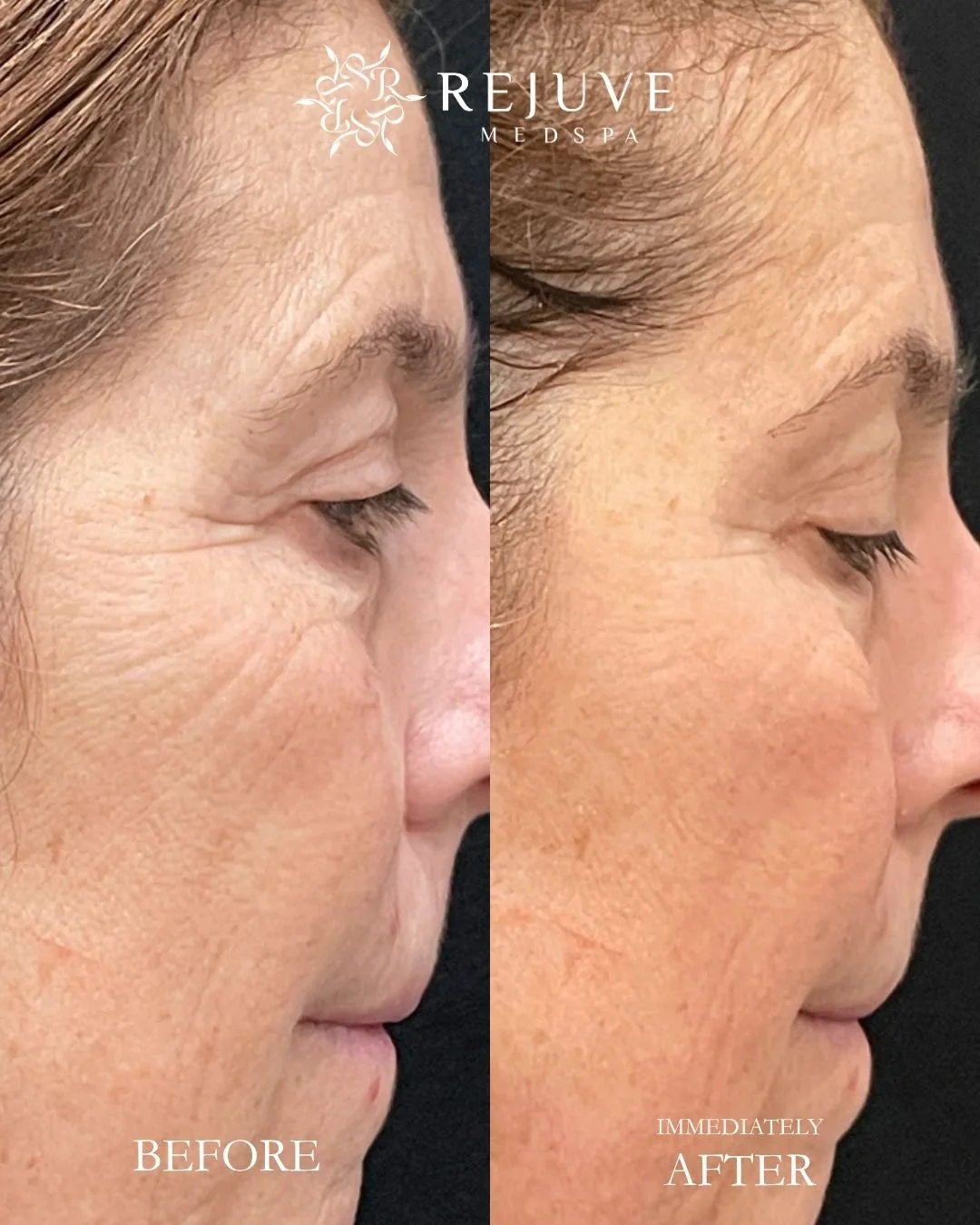
Downtime associated with XERF vs Facelift:
XERF has the advantage of being painless without any associated downtime. In fact, most patients see an immediate improvement after the treatment. These immediate changes are related to the mild heat-associated soft tissue swelling and are temporary, while the slower process of collagen stimulation happen over the course of the next several weeks to months. Facelifts on the other hand, require time off to recover from the effects of anesthesia and bruising/swelling associated with surgery which could take several weeks to months for healing.
complication potential of xerf vs plastic surgery:
Since there are no breaks in the skin, XERF has a negligible risk for infection, bleeding, bruising, hyperpigmentation, or scars that are associated with surgery. Facelifts also have more serious potential complications not seen with XERF including risks of anesthesia and nerve damage - possibly leading to changes in sensation or muscle paralysis.
cost of xerf vs plastic surgery:
Depending on the region/provider, XERF might cost $1800 -$2500 for one full face/neck session. Whereas a facelift ranges in the 30K- over 100K for a deep plane facelift, which will not necessarily include the forehead or neck.
lasting effects of xerf vs facelift
Because the natural aging process continues through time, no procedures’ effects lasts forever. Every year, we continue to lose collagen, fat volume, muscle and bone density leading to a more hollow appearance in certain areas, especially to the upper face. Thinning of skin leads to wrinkles, and sagging ligaments displace the fat pads below the nasolabial folds and jawline to produce jowls. XERF is typically recommended annually - perhaps less often for a person in their 30’s and possibly every 6-12 months past the age of 60.
After the initial soft tissue swelling of surgery declines in about 6 months, so does the dramatic lifting effects of a facelift. Some patients may need another facelift after 5-10 years.
Because XERF is so new (first available in the US in October 2025), the long-term results have not been fully established. However, based on my experience with other Radiofrequency devices such as Genius RF microneedling, I would expect that the benefits of collagen stimulation and structural skin tightening with XERF to extend beyond 1-2 years.
Who perfroms the treatments at Rejuve Medspa: About Dr. Kaplan
Dr. Kaplan has been performing radiofrequency skin treatments along with advanced injectable treatments since 2019 after finishing a 20-year career in Emergency Medicine. She introduced XERF at her boutique medical spa in Newcastle, WA during November, 2025 - one of the first in the Pacific Northwest. Dr. Kaplan was voted Top Aesthetic Doctor in the Seattle Times Best in PNW 2026. Her expertise with radiofrequency treatments and comprehensive medical background puts her patients at ease knowing they are in good hands.