
Ultherapy vs XERF: Which is better?
With so many options for facial rejuvenation, choosing the right treatment can feel overwhelming. Ultherapy has been a familiar name in skin tightening for many years, while XERF is a newer approach to non-invasive lifting and tightening. The treatment goals for XERF and Ultherapy are similar, but there are key differences to consider. Let’s take a closer look at XERF vs Ultherapy and how each technology works.
Summary of how XERF and Ultherapy work:

STRUCTURAL SKIN TIGHTENING
XERF vs. Ultherapy
Two advanced technologies. Different approaches to non-surgical skin tightening.
XERF
Dual-Frequency Monopolar Radiofrequency
XERF uses dual-frequency monopolar radiofrequency technology to create broad, bulk heating across multiple tissue layers. AI-guided technology helps select depth and energy based on tissue response.
Ultherapy®
Micro-Focused Ultrasound
Ultherapy uses micro-focused ultrasound to create small, discrete thermal coagulation points at predetermined treatment depths for tissue contraction and collagen remodeling.
| Feature | XERF | Ultherapy® |
|---|---|---|
| Technology | Dual-frequency monopolar radiofrequency (6.78 MHz + 2 MHz) | Micro-focused ultrasound |
| How It Works | Uses AI-guided depth and energy selection with broad, bulk heating to treat multiple tissue layers for lifting, tightening and collagen remodeling. | Delivers focused ultrasound energy at specific, predetermined depths to create small thermal coagulation points that stimulate tissue contraction and collagen remodeling. |
| Target in Tissue | Radiofrequency preferentially heats water-containing tissue. Because adipose tissue has relatively low water content, RF energy interacts differently with fat than with more water-rich tissue. | Ultrasound does not rely on a specific chromophore such as water. Energy is mechanically focused at predetermined tissue depths. |
| Energy Delivery | Broad, bulk heating with energy distributed across multiple tissue layers. | Discrete, focal thermal coagulation points rather than continuous heating between treatment depths. |
| Treatment Depth | XERF does not rely on fixed millimeter treatment depths. AI-guided technology helps determine energy delivery and depth based on tissue response, allowing treatment of superficial, intermediate and deeper structural layers. | Uses predetermined treatment depths including 1.5 mm, 3.0 mm and 4.5 mm, depending on the treatment transducer. The 4.5 mm depth can target the SMAS. |
| Heating Pattern | Broad bulk heating across a larger volume of tissue. | Small focal thermal coagulation points at specific depths. |
| Tissue Effects | Designed to heat multiple tissue layers to stimulate collagen remodeling, tightening and structural support. | Produces focal thermal injury at selected depths to stimulate tissue contraction and collagen remodeling. |
| Customization | AI-guided energy and depth selection allows treatment to be customized according to individual anatomy and tissue response. | Treatment is performed using transducers designed to deliver ultrasound at predetermined focal depths. |
| Comfort | Integrated cooling is designed to improve comfort. No numbing is required. | Treatment may be uncomfortable for some patients. Topical numbing is typically required. |
| Downtime | Little to no expected procedural downtime. Temporary redness or tenderness may occur. | Little to no expected procedural downtime. Temporary redness, tenderness or swelling may occur. |
| Treatment Approach | Broad structural heating for patients seeking non-invasive skin tightening, lifting and collagen remodeling across multiple tissue layers. | Focused ultrasound treatment for patients seeking targeted tissue contraction and collagen remodeling at specific depths. |
XERF vs Ultherapy FAQ’S:
Is XERF BEtter than Ultherapy?
Variations in outcomes between XERF and Ultherapy may be influenced by numerous factors including the patient’s individual response to the treatment and collagen remodeling, lifestyle and environmental factors, genetics, age, skin quality, degree of laxity, as well as the experience and technique of the provider performing the treatment.
Which is more painful - XERF or Ultherapy?
Ultherapy is more uncomfortable than XERF, and typically requires topical numbing prior to the treatment. Because XERF has built-in cryogen (cooling for the skin surface), no numbing is needed and the treatment is generally comfortable with occasional hot sensations.
Which goes deeper - XERF or Ultherapy?
Ultherapy can penetrate as deep as 4.5 mm and has a focal heating zone, whereas XERF is not limited to a single specified depth in millimeters, and relies on bulk heating. XERF uses volumetric radiofrequency, so the thermal effect is influenced by frequency, tissue impedance, pulse structure, and the anatomy being treated. XERF also uses Wave Fit Pulse which divides the energy into multiple controlled pulses instead of delivering one continuous RF pulse. This creates a heating phase where the tissue temperature progressively rises, followed by a holding phase that helps maintain therapeutic heat within the deeper tissue while the surface is protected with cryogen cooling.
With XERF, the impedance affects depth because RF energy is influenced by the electrical properties of the tissue it passes through. Tissues with different water content, density, and composition conduct RF differently. As the tissue warms, its impedance can also change, which affects how the energy is distributed and how efficiently heat accumulates.
Can XERF or Ultherapy cause Facial Fat Loss or cheek hollowing?
When performed by a well-trained qualified medical professional who understands facial anatomy and energy/depth settings, XERF and Ultherapy can safely be performed with minimal risk for fat loss. However, any heat-based device that can penetrate to depth of the fat layer can potentially melt fat. Melting fat requires specific amount of energy or heat for a adequate amount of time.
Since XERF utilized radiofrequency which specifically targets water, and fat has very little water content, XERF is less likely to cause fat loss or facial hollowing. XERF has another safety feature: the built-in Cryogen helps to cool the skin surface and continuous surface temperature sensing and feedback which allows the provider to monitor the temperature and adjust the energy levels accordingly.
How quickly will I see results from XERF vs Ultherapy?
Onset of results of both XERF and Ultherapy really depends on various factors including age, genetics, biology, environmental influences, diet, health concerns, etc. With XERF, there is an immediate appearance of subtle tightening and lift related to bulk heating causing vasodilation and soft tissue swelling, but these results are temporary. Over, the next several weeks as new collagen forms, the the skin and underlying tissues will be firmer leading to improved skin texture, reduced pore size, and structural lift. The results will continue to improve over time for up to 6-12 months.
How Long do results from XERF vs Ultherapy Last?
How long results last from XERF or Ultherapy depends on various factors including the patient’s age, genetics, skin condition, degree of collagen and elastin integrity, extent of tissue laxity, diet, environmental and lifestyle. A younger patient with less skin laxity may only need to repeat XERF or Ultherapy once every 2-3 years whereas an older patient may benefit from repeat treatments every 6-12 months.
We are typically losing about 1% of collagen every year from the age of 25. Research suggests that biological aging may not occur at a steady/linear rate but rather, aging typically accelerates more dramatically at two stages in our life. A 2024 Stanford Medicine study identified substantial shifts in molecular markers associated with aging around the average ages of 44 and 60.
Can I have XERF if I’ve already had Ultherapy?
Yes, you can have XERF if you have already had Ultherapy, but it is best to wait at least 4-6 weeks or longer. Spacing treatments 4-6 weeks apart allows time for the tissue to recover and for the early stages of collagen remodeling to occur.
Can XERF and Ultherapy be combined?
XERF and Ultherapy should not be performed together on the same day since they both deliver thermal energy beneath the skin. Having excessive heat is both unnecessary and undiserable, potentially leading to complications such as prolonged tissue inflammation, hyperpigmentation, and unwanted fat loss.
Your body also has natural protective mechanisms that respond to thermal stress and help regulate tissue temperature to protect against excessive heat. For this reason, delivering more heat does not necessarily produce better results. When it comes to energy-based treatments, more is not always better.
Why has RF Microneedling suddenly fallen out of favor? What are the alternatives for non-surgical skin tightening?
Recently there has been a barrage of negative press about Radiofrequency (RF) microneedling. Once the darling of skin tightening, suddenly social media is on fire with warnings of bad outcomes. In October 2025, FDA issued a safety communication about RF microneedling potentially causing fat loss. The good news is that XERF, a needle-free approach with dual radiofrequency, offers a no-downtime, less painful option for skin tightening.
Does RF microneedling really cause fat loss?
RF microneedling releases focal radiofrequency heat at the depth of which the needles are programmed to penetrate underneath the skin. Whether or not fat is lost depends on the amount of heat and the depth of the needle penetration. With any aesthetic treatment option, there will be potential associated risk. But that does not mean the risk will occur with 100% of every treatment. A knowledgeable and experienced provider with a good quality RF microneedling device can certainly avoid fat loss, and instead boost collagen - leading to plumper, healthier skin.
At Rejuve Medspa, Dr. Kaplan uses Genius RF microneedling - a device developed in South Korea by a company called Lutronic which later merged with Cyanosure. The Genius RF microneedling device has the distinct advantage of having very tiny/fine needles (49 per stamp) that produces minimal skin surface damage. But the key benefit of Genius RF that makes it superior to other RF microneedling devices, is the level of control and feedback of the needle depth and energy. Feedback about the amount of Joules or heat energy produced with each stamp is provided. The level of hydration of the treated tissue is monitored and warnings are signaled if dehydration is detected. The depth of the needles can be manually programed and tightly controlled in increments of 0.1 mm. Whereas other devices might only allow pre-programed depths of 1.5 mm, 3.0 mm, 4.5 mm, etc. Genius RF can be manually controlled at whatever depth desired - adjustable in increments of 0.1 mm to a maximum depth of 3.5 mm. This allows Dr. Kaplan to avoid fat reduction after clinically assessing each patient’s individual anatomy.
Examples of Genius RF Microneedling improving collagen and facial volume:


Examples of Genius RF microneedling for Acne scars with no loss of fat:


Fat reduction with RF microneedling can be intentional - And that’s a good thing:
There are certain circumstances where fat reduction is desired, in which case RF microneedling can be a useful tool. Areas such as the under chin (submental) region, abdomen, and triceps region of the upper arms are popular sites that patients often seek help for fat reduction. The advantage of using RF microneedling is that it can also help with skin tightening, so patients aren’t left with sagging skin after the fat has been removed. The key is to understand the patient’s anatomy and to be able to control the needle depth and energy levels to achieve successful fat reduction.
Examples of where fat reduction was desired with RF microneedling:

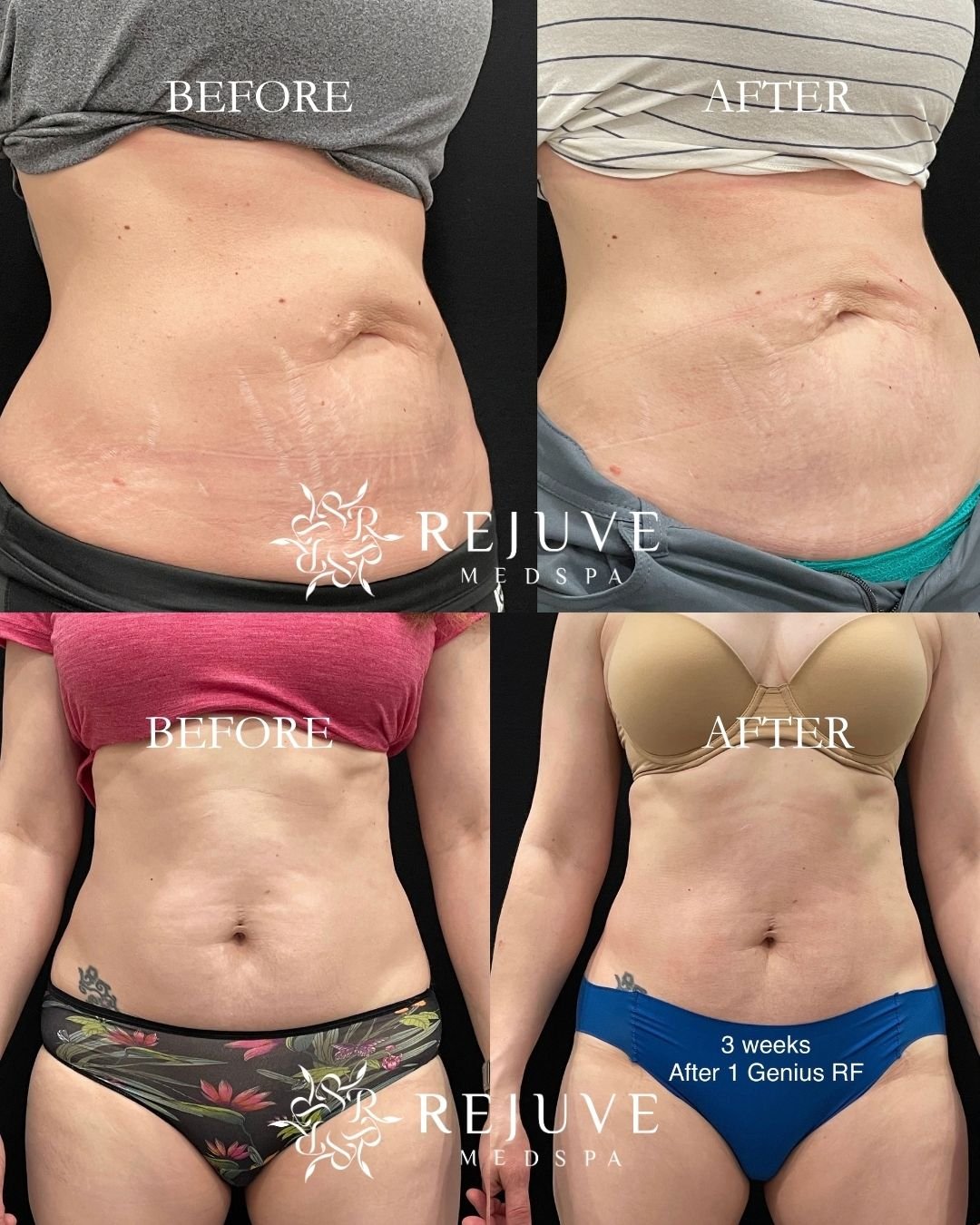
What are the alternative options to RF microneedling for skin tightening?
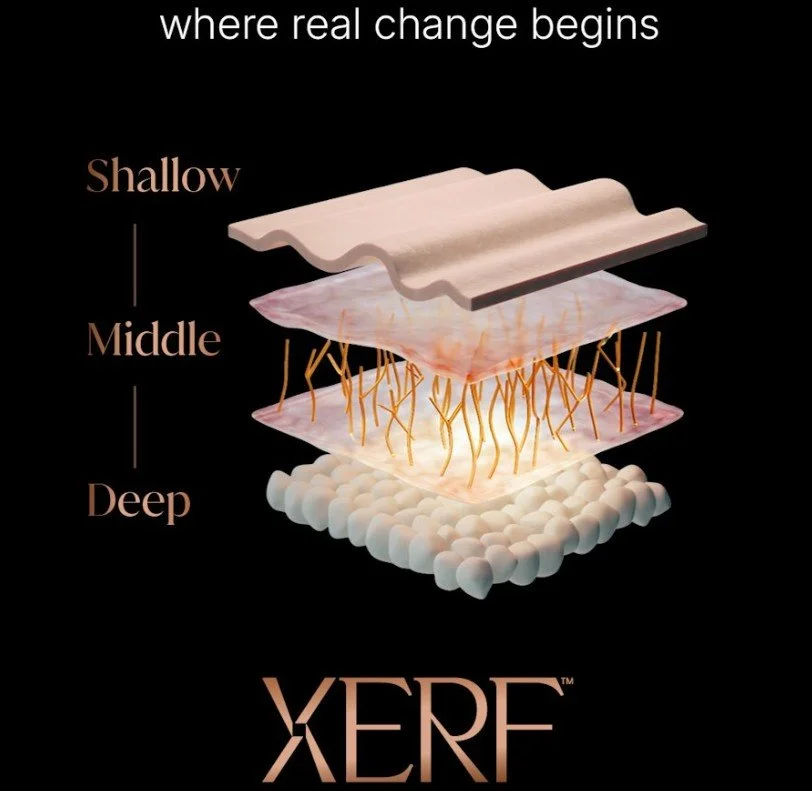
At Rejuve Medspa, XERF has essentially replaced RF microneedling as the most popular treatment for skin tightening. XERF has the advantage of integrating two different Radiofrequencies (6.78 MHz, 2 MHz) without using needles. XERF is able to target the shallow, middle, and deep depths below the skin to boost collagen production. Rather than the focal energy with RF microneedling, XERF relies on bulk heating which is both more efficient and more effective for targeting the retaining ligaments and SMAS (Superficial Musculoaponeurotic System) to promote structural skin tightening and lifting. Radiofrequency specifically targets water. Since fat has very little water content, the risk of melting fat is lower with XERF when used at safe temperatures.
There is no associated down time with XERF, and you can resume your daily activity immediately afterwards. With RF microneedling, patients will typically experience 5-10 days of redness and swelling (could be more or less depending on the patient, device, energy used, etc). There is a small risk of hyperpigmentation (higher risk with darker skin tones) and risk of prolonged increased redness with RF microneedling, but not with XERF.
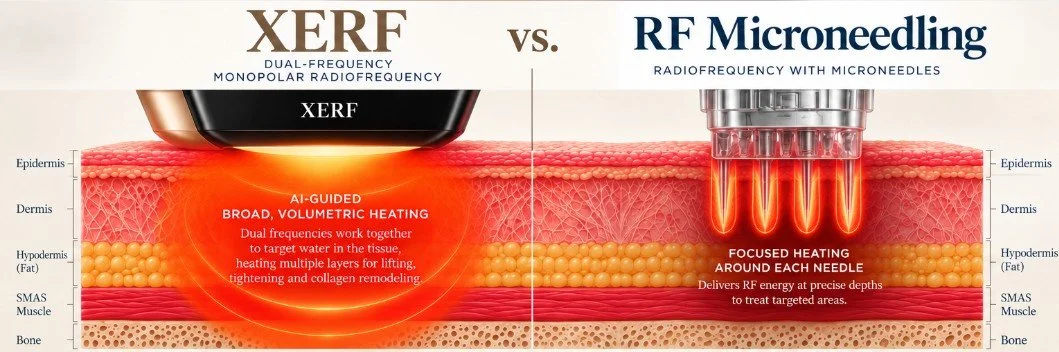
XERF vs. RF Microneedling
XERF and RF microneedling both use radiofrequency energy to stimulate collagen and improve the skin, but they deliver that energy very differently. XERF uses non-invasive dual-frequency monopolar radiofrequency to create broad, volumetric heating across multiple tissue layers. RF microneedling uses needles to deliver radiofrequency energy directly into the skin at controlled depths.
| Feature | XERF | RF Microneedling |
|---|---|---|
| Technology | Dual-frequency monopolar radiofrequency (6.78 MHz + 2 MHz) | Radiofrequency energy delivered through microneedles |
| How It Works | Uses broad, volumetric radiofrequency heating across multiple tissue layers to stimulate collagen remodeling, tightening and structural support. | Microneedles penetrate the skin and deliver radiofrequency energy directly into the tissue at controlled depths, creating localized zones of thermal injury around the needles. |
| Energy Target | Radiofrequency energy preferentially heats water-containing tissue. XERF delivers energy broadly without needles or penetration of the skin. | Radiofrequency energy is delivered through microneedles positioned underneath the skin, concentrating thermal energy around the needle electrodes. |
| Treatment Depth | XERF uses dual-frequency RF and treatment parameters designed to create heating at different tissue levels rather than relying on a single fixed needle depth. | Needle penetration depth can be adjusted by the provider. Available depths vary depending on the RF microneedling device being used. |
| Heating Pattern | Broad, volumetric heating across a larger volume of tissue. | More localized heating around individual microneedles at selected treatment depths. |
| Primary Benefits | Non-invasive skin tightening, improvement in skin laxity, collagen remodeling and facial contouring. | Particularly useful for improving skin texture, acne scars, enlarged pores, fine lines and collagen remodeling. |
| Needles | No needles. The treatment is performed from the surface of the skin. | Uses an array of microneedles that penetrate the skin before RF energy is delivered. |
| Numbing | No topical numbing is needed. | Topical anesthetic is required before treatment. Treatment can be painful despite topical numbing. |
| Comfort | Designed for patient comfort with integrated skin cooling during radiofrequency delivery. | Discomfort varies by device, treatment depth, energy settings and individual pain tolerance. |
| Skin Penetration | Non-invasive. The epidermis is not mechanically penetrated. | Microneedles mechanically penetrate the epidermis to deliver RF energy into the tissue. |
| Downtime | Little to no expected procedural downtime. Mild transient redness may occur. | Downtime varies by device and treatment intensity and may include redness, swelling, tenderness and pinpoint crusting or scabbing, risk of hyper-pigmentation or prolonged redness. |
| Ideal For | Patients primarily seeking non-invasive lifting, tightening and improvement of skin laxity with minimal downtime. Also improves skin texture, acnes scars, reduces pore size, and fine/wrinkles. | Patients seeking improvement in acne scars, texture, enlarged pores, fine lines and other surface-to-dermal concerns, with skin tightening as an additional benefit. |
Is XERF Better Than RF Microneedling?
XERF and RF microneedling are not interchangeable treatments. Although both use radiofrequency energy, the method of energy delivery and treatment goals are different. XERF provides non-invasive, broad volumetric heating and is particularly suited for patients whose primary concern is skin laxity and tightening. RF microneedling creates controlled mechanical and thermal injury within the skin and may be preferable when concerns such as acne scars, enlarged pores and skin texture are a priority.
In some patients, XERF and RF microneedling may be complementary rather than competing treatments. Treatment selection should be individualized according to skin condition, facial anatomy, degree of laxity, treatment goals and provider assessment.
About Dr. Kaplan at Rejuve Medspa
Dr. Kaplan has extensive experience with radiofrequency devices. She has personally performed hundreds of radiofrequency treatments since 2019, including Genius RF microneedling, Exilis Ultra 360, and her latest addition XERF. After graduating medical school, she completed a 4-year Emergency Medicine Residency training program and became board-certified as an Emergency Specialist with 20 years experience. Wanting to devote more time and attention to each patient, she transitioned to aesthetic and regenerative medicine in 2019. Dr. Kaplan operates Rejuve Medspa as a small, privately owned boutique practice focused on individualized care. She takes time to understand each patient’s goals and develops thoughtful, evidence-based treatment plans tailored to their specific needs and interests.
Why Skinbetter Science InterFuse® Eye Cream Is a Game-Changer for Aging Skin around the Eyes
Brighten, Smooth & Revitalize:
The delicate skin around your eyes is often the first to show signs of aging, stress, and fatigue. Puffiness, dark circles, and fine lines can make you look tired even when you’re not. At Rejuve Medspa in Newcastle, WA, we’re excited to offer Skinbetter Science InterFuse® Eye Cream — a breakthrough formula that targets all the key concerns of aging eyes.
Why the Eye Area Needs Special Care
Unlike the rest of your face, the skin around your eyes is thinner and more fragile, making it more vulnerable to fine lines, loose skin, and discoloration. A standard moisturizer usually isn’t enough. That’s why a scientifically advanced eye cream is essential for maintaining a bright, youthful look.
What Makes InterFuse® Eye Cream Different
Skinbetter Science has become a trusted leader in medical-grade skincare, and the InterFuse® Eye Cream is one of their most celebrated innovations. Its benefits include:
Targets Fine Lines & Crow’s Feet: Peptide-rich formula smooths and softens visible wrinkles.
Brightens Dark Circles: Light-reflecting ingredients instantly improve radiance while advanced actives address discoloration over time.
Reduces Puffiness: Caffeine and other soothing ingredients help minimize under-eye bags.
Hydrates & Firms: Delivers deep moisture while supporting skin firmness for a lifted look.
All-in-One Solution: Combines multiple corrective actions into one easy step, saving time in your skincare routine.
Who Benefits Most
Whether you’re beginning to notice early signs of aging or looking for a powerful solution to more advanced concerns, InterFuse® Eye Cream works beautifully for most skin types. It’s especially effective for those seeking:
A smoother, more youthful eye contour
Brighter, less tired-looking eyes
Long-term improvement in skin quality
How to Use InterFuse® Eye Cream
Apply a small amount morning and evening after cleansing. Gently pat on the skin around the eye region — avoiding direct contact with the eyes — for optimal results. Pairing with other Skinbetter Science favorites, like AlphaRet® Overnight Cream or Alto Defense Serum, can further enhance your results.
Experience InterFuse® at Rejuve Medspa
At Rejuve Medspa, we carefully curate the most advanced skincare products to complement our in-office treatments. Skinbetter Science InterFuse® Eye Cream is a client favorite for its visible results and scientifically backed performance.
Ready to rejuvenate your eyes? Visit us in Newcastle, WA, to purchase Skinbetter Science products and discover a personalized skincare plan that helps you look as vibrant as you feel. But please make sure to text or call our office first as we are open by appointment only.
Why Are Plastic Surgeons Discouraging Nonsurgical Skin Tightening? Comparing Facelift vs XERF
I always find it interesting to hear plastic surgeons' perspectives on nonsurgical skin tightening treatments. Their expertise in facial anatomy and surgical techniques is incredibly valuable; however, nonsurgical energy-based treatments are a distinct area of aesthetic medicine that requires its own clinical experience and technical understanding.
Providers who regularly perform these treatments have the opportunity to observe patient outcomes firsthand and understand how treatment technique, energy delivery, device settings, and patient selection can significantly influence results. Each skin tightening technology is different, and outcomes are often highly dependent on the knowledge and skill of the person performing the treatment.

In many ways, this is similar to surgery. The same surgical procedure can produce different outcomes depending on the surgeon's experience, technique, and clinical judgment. Nonsurgical skin tightening should be viewed with the same level of nuance—both the technology and the expertise of the provider matter.
As a medical doctor performing nonsurgical cosmetic treatments since 2019 combined with 20 years of Emergency Medicine experience, I have been performing Genius RF microneedling, Exilis Ultra 360, and most recently XERF (needle-free dual radiofrequency) with outstanding results. During a consultation, I show patients realistic before/after photos to help determine if the patient is a good candidate for the treatment. Patients who typically come to medspa’s are generally seeking non-surgical options for rejuvenation, but occasionally I will tell a patient that plastic surgery is their best option to achieve the results they are looking for.
Why do some plastic surgeons advise against nonsurgical skin tightening treatments?
In my opinion, part of the discussion may reflect the different perspectives and incentives within aesthetic medicine. Plastic surgeons primarily specialize in—and build their practices around—surgical procedures, while nonsurgical providers often focus on earlier intervention, maintenance, and preventative approaches to facial aging.
Patients who begin treatments such as XERF or RF microneedling earlier in the aging process may be seeking to improve skin laxity and maintain tissue quality over time. For many patients, this approach may delay their desire for surgical intervention or reduce the likelihood that they pursue surgery altogether.
It is reasonable to acknowledge that financial incentives exist throughout aesthetic medicine, including both surgical and nonsurgical practices. Rather than assuming that one perspective is inherently more objective than the other, I believe patients benefit most when recommendations are based on anatomy, realistic expectations, and the treatment that is most appropriate for their individual goals.
How does XERF work and what are the benefits compared to facelifts?
XERF is a non-invasive Radiofrequency device that provides two different frequencies to allow for deeper penetration than other skin tightening devices. XERF affects the retaining ligaments and SMAS layer(superficial musculoaponeurotic system) to improve the structural integrity of the tissue underneath the skin. The treatment is comfortable as a result of built-in cryogen that keeps the skin cooler while the heat is transferred deeper.
What is the best age to start XERF?
We start to loose about 1% of collagen every year from the age of 25 years old. Starting XERF in your 30’s is a good way to replace the collagen that we naturally lose through the aging process. This early start helps to prevent thinner, more textured appearance of skin as well as the associated sagging that occurs with gravity over time. Starting XERF at later ages will help to reverse some of these changes, and regular maintenance is recommended (one treatment per year).
lifting effects of xerf vs facelift:
Strengthening the SMAS layer and retaining ligaments with XERF creates a lifting effect non-surgically, whereas a deep plane facelift relies on a surgical approach to release the natural retaining ligaments in order to reposition the deep facial structures. The lifting effect with XERF can be less dramatic than with plastic surgery in patients with more skin laxity. While surgery may work best in older patients with more sagging and loose skin, XERF can be performed at earlier ages to prevent laxity and loose skin. XERF can also be used in conjunction with plastic surgery to preserve the lifting effects of a deep plane facelift.
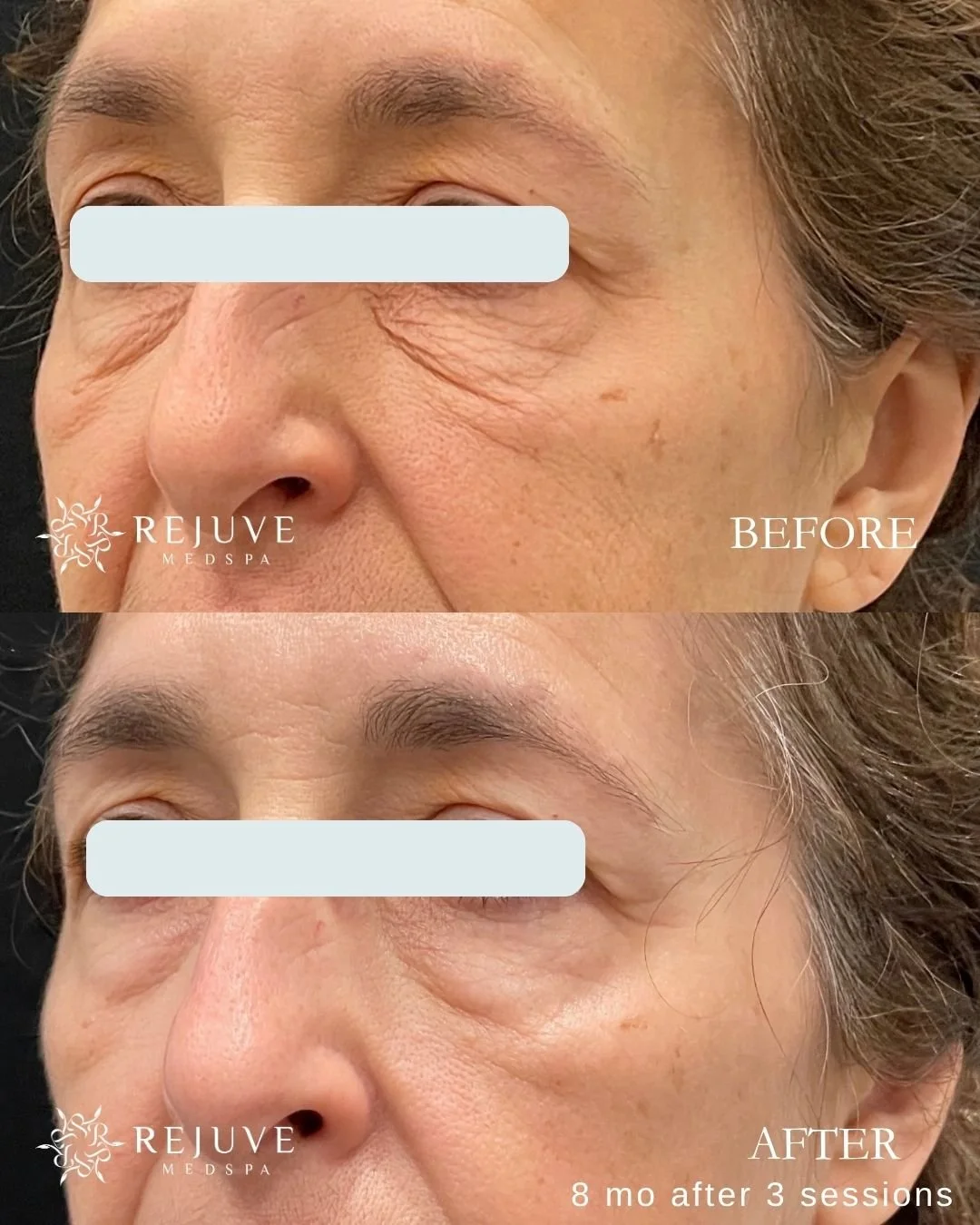
improving wrinkles and skin texture with xerf vs facelift:
By boosting collagen, XERF can improve the appearance of wrinkles for a brighter, smoother complexion. Facelifts improve the appearance of wrinkles by stretching the skin and cutting away excess loose skin, but that does not change the quality of the existing skin. XERF can be used in conjunction with plastic surgery to preserve the lifting effects of a deep plane facelift while also improving the quality of the skin. Alternatively, XERF can delay or prevent the need for a facelift especially if started at the age of 30’s or 40’s.
improving pore size with xerf vs facelift:
XERF has the advantage of reducing pore size while facelifts do not change pore size or the quality of the skin.
improving scars with xerf vs plastic surgery:
XERF can lessen the appearance of scars by promoting collagen production. Surgical incisions, on the other hand, create scars that take a long time (several months, even years) to heal to the point where they are not as visible. Surgical incision sites can also have complications such as hypertrophic or keloid scars.
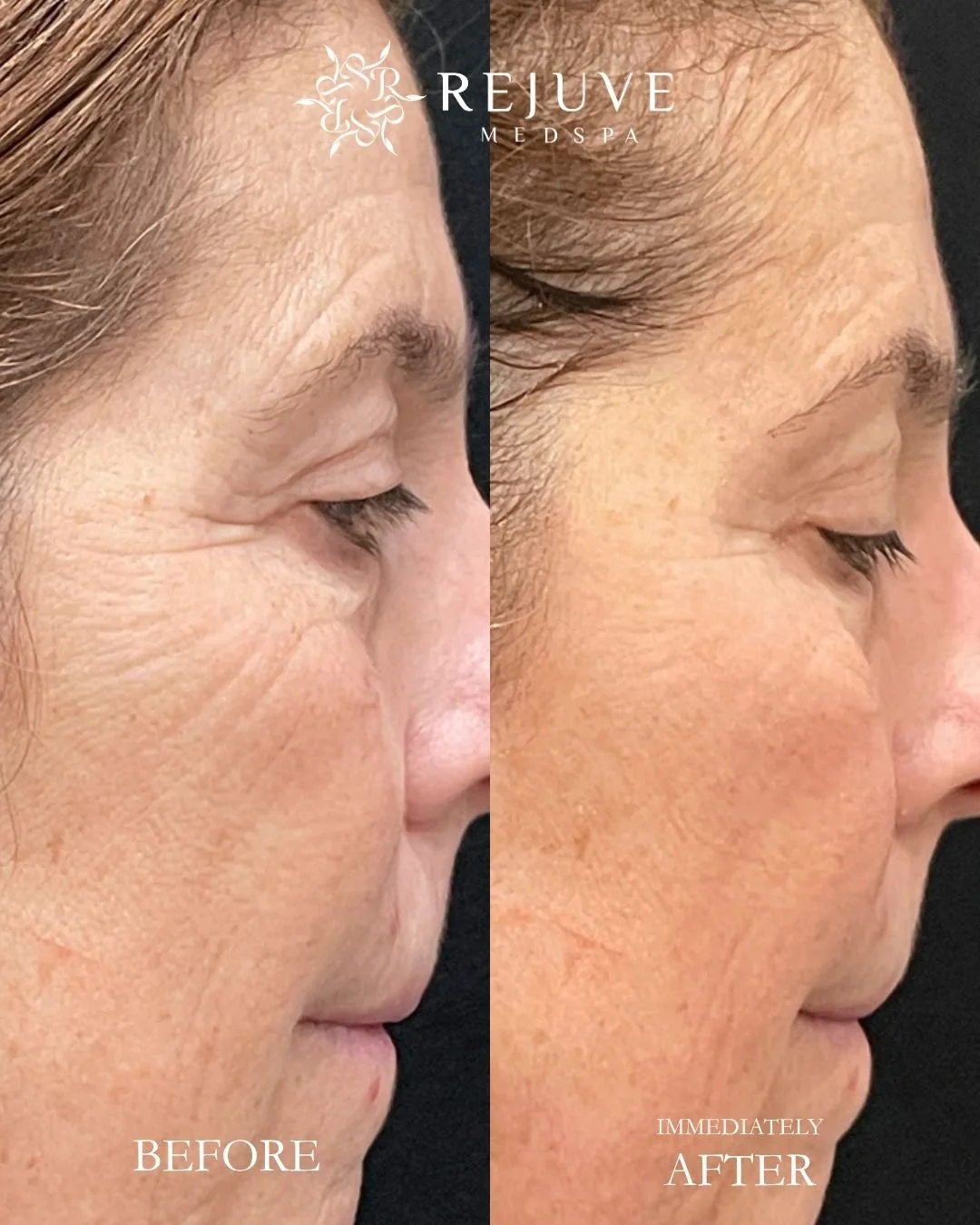
Downtime associated with XERF vs Facelift:
XERF has the advantage of being painless without any associated downtime. In fact, most patients see an immediate improvement after the treatment. These immediate changes are related to the mild heat-associated soft tissue swelling and are temporary, while the slower process of collagen stimulation happen over the course of the next several weeks to months. Facelifts on the other hand, require time off to recover from the effects of anesthesia and bruising/swelling associated with surgery which could take several weeks to months for healing.
complication potential of xerf vs plastic surgery:
Since there are no breaks in the skin, XERF has a negligible risk for infection, bleeding, bruising, hyperpigmentation, or scars that are associated with surgery. Facelifts also have more serious potential complications not seen with XERF including risks of anesthesia and nerve damage - possibly leading to changes in sensation or muscle paralysis.
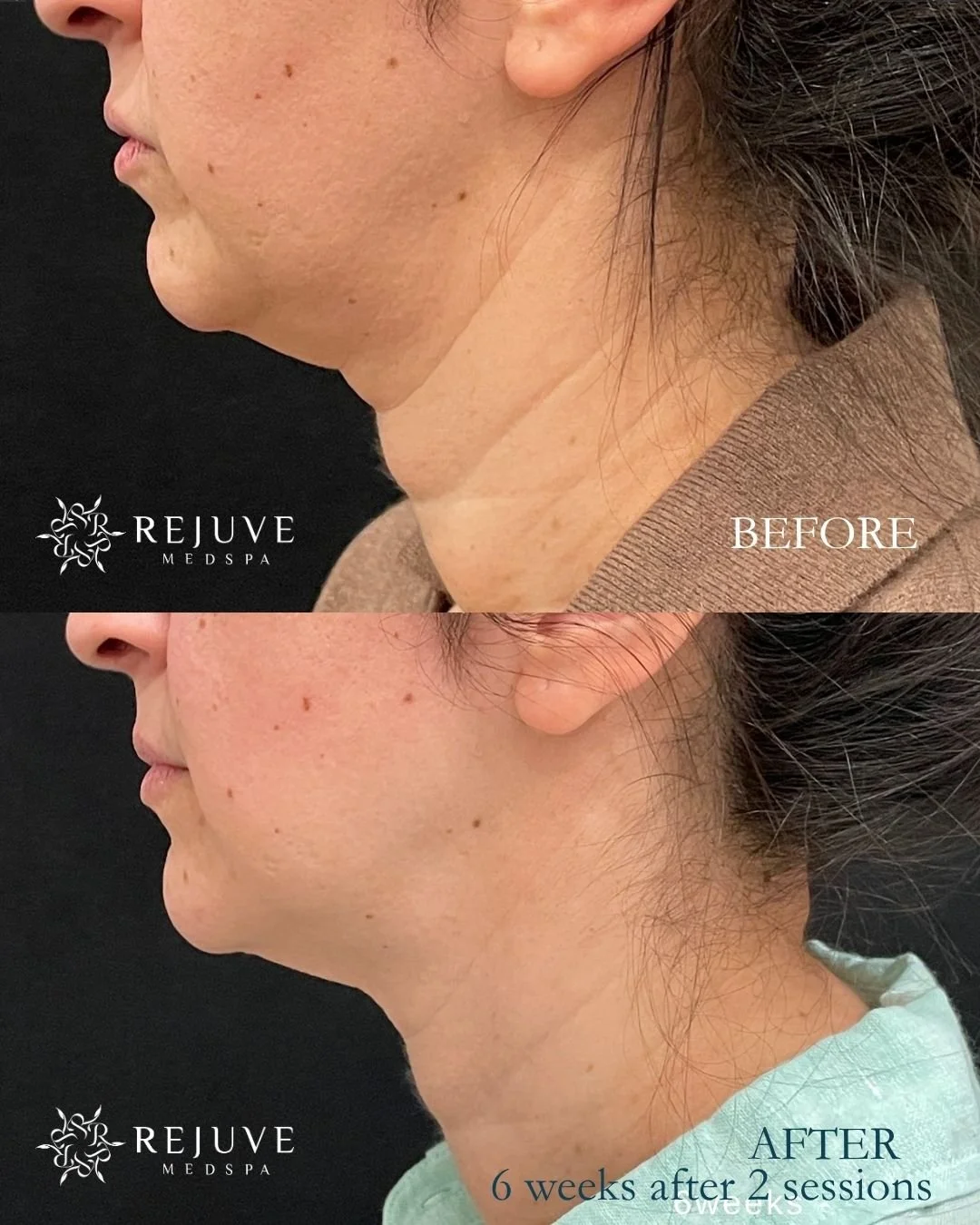
cost of xerf vs plastic surgery:
Depending on the region/provider, XERF might cost $1800 -$2500 for one full face/neck session. Whereas a facelift ranges in the 30K- over 100K for a deep plane facelift, which will not necessarily include the forehead or neck.
lasting effects of xerf vs facelift
Because the natural aging process continues through time, no procedures’ effects lasts forever. Every year, we continue to lose collagen, fat volume, muscle and bone density leading to a more hollow appearance in certain areas, especially to the upper face. Thinning of skin leads to wrinkles, and sagging ligaments displace the fat pads below the nasolabial folds and jawline to produce jowls. XERF is typically recommended annually - perhaps less often for a person in their 30’s and possibly every 6-12 months past the age of 60.
After the initial soft tissue swelling of surgery declines in about 6 months, so does the dramatic lifting effects of a facelift. Some patients may need another facelift after 5-10 years.
Because XERF is so new (first available in the US in October 2025), the long-term results have not been fully established. However, based on my experience with other Radiofrequency devices such as Genius RF microneedling, I would expect that the benefits of collagen stimulation and structural skin tightening with XERF to extend beyond 1-2 years.
Who perfroms the treatments at Rejuve Medspa: About Dr. Kaplan
Dr. Kaplan has been performing radiofrequency skin treatments along with advanced injectable treatments since 2019 after finishing a 20-year career in Emergency Medicine. She introduced XERF at her boutique medical spa in Newcastle, WA during November, 2025 - one of the first in the Pacific Northwest. Dr. Kaplan was voted Top Aesthetic Doctor in the Seattle Times Best in PNW 2026. Her expertise with radiofrequency treatments and comprehensive medical background puts her patients at ease knowing they are in good hands.
Lift & Glow: XERF Skin Tightening and ULTRA Laser Resurfacing for nonsurgical lift and Radiant Skin
The Lift & Glow treatment combines XERF structural skin tightening with ULTRA laser resurfacing to address skin laxity, texture, and overall radiance in a single, comprehensive protocol. At Rejuve Medspa, this advanced combination is designed to lift and firm the skin at a deeper level while smoothing texture and enhancing glow on the surface—stimulating collagen at multiple depths for natural-looking rejuvenation without surgery or significant downtime.
What is XERF Structural Skin Tightening?
XERF is a unique, structural skin tightening treatment designed to address the deeper support system of the face—not just the skin surface. Unlike traditional radiofrequency devices that focus primarily on dermal tightening, XERF uses dual radiofrequencies to deliver energy at multiple depths, allowing treatment of both superficial tissue, mid and deeper structural layers.
This dual-frequency approach enables XERF to target the retaining ligaments and the SMAS (Superficial Musculoaponeurotic System)—the same foundational structures surgeons rely on for facial lifting. By heating these deeper support layers in a controlled, uniform manner, XERF stimulates collagen contraction and long-term remodeling where true facial support originates. The result is improved structural integrity, lifting, and firmness, rather than just temporary skin tightening.
Because facial aging is largely driven by weakening of these deep support structures, XERF’s ability to safely and precisely treat the retaining ligaments and SMAS makes it fundamentally different from conventional RF treatments—offering a non-surgical lift with natural, progressive results and minimal downtime.
How does Ultra Laser Enhance the results of XERF?
The Ultra laser enhances the results of XERF skin tightening by refining the skin’s surface while XERF addresses deeper structural support. While XERF lifts and firms the skin by stimulating collagen within the SMAS and retaining ligaments, the Ultra laser improves texture, tone, and radiance while reducing fine lines/wrinkles through controlled resurfacing and collagen stimulation at the surface. Together, this combination creates a more complete rejuvenation—delivering both a visible lift plus smoother, brighter skin with an overall healthy glow.
A diagram of what deeper layers XERF targets:
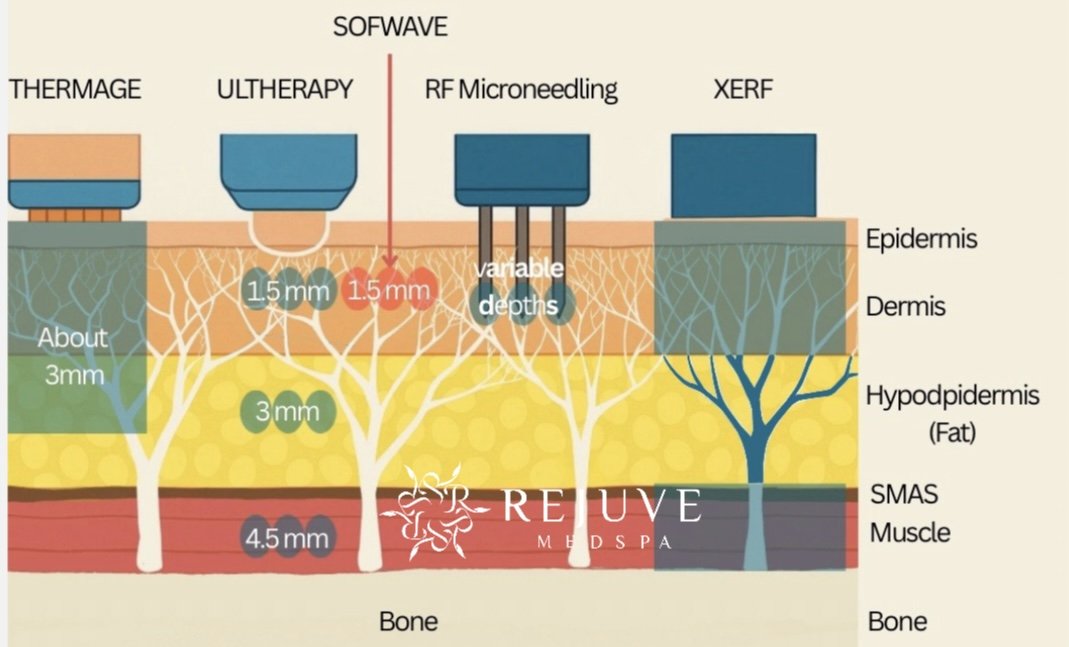
Comparison of different Skin Tightening devices - depths of penetration shown in blue shade.
Clarity Ultra Glow: The Ultimate Laser Solution for Pigment, Texture, and Radiance
Sun damage is cumulative - and often more complex than it appears on the surface. At Rejuve Medspa, we created the Clarity Ultra Glow treatment to address pigmentation, uneven texture, and overall skin quality at multiple depths. By combining the power of the Clarity II laser for deep pigment correction with the Ultra laser for skin resurfacing/collagenstimulation, this dual-laser approach targets sun damage comprehensively—revealing clearer, smoother, and more radiant skin.
Treating Sun Damage at Every Level: How Clarity and Ultra Lasers Work Together
The Clarity laser uses a 755 nm wavelength (Alexandrite) which is highly absorbed by melanin, the pigment responsible for dark spots, sun damage, and discoloration.
Because 755 nm penetrates deeper than many superficial lasers, it is especially effective for stubborn, deeper pigmentation such as sun spots and lentigines, making it a powerful option for comprehensive pigment correction when performed with proper skin-type selection and settings.
At Rejuve Medspa, Dr. Kaplan brings extensive experience and clinical expertise to every Clarity II laser treatment. She understands how to tailor Clarity II’s powerful 755 nm wavelength to each patient’s unique skin type and degree of pigmentation for safe and effective results. This level of experience matters: proper laser settings, pass frequency, and pulse timing are critical to maximize pigment disruption while minimizing risk, especially in diverse Fitzpatrick skin tones.
The Ultra laser uses a 927 nm wavelength designed to gently penetrate the skin and stimulate controlled thermal injury within the dermis, triggering the body’s natural healing response. This process promotes collagen remodeling and new collagen production, which helps improve skin texture, soften fine lines/wrinkles. and reduce overall sun damage that contributes to dull, uneven skin.
Before and After Photos of Clarity Ultra Glow:

After 2 sessions of Clarity II + ULTRA

After 1 session of Clarity II + ULTRA

After 1 session of Clarity II + ULTRA

After 1 session of Clarity II + ULTRA
How Clarity II Laser compares with BBL or IPL?
The Clarity II laser and BBL/IPL are both used to treat sun damage and pigmentation, but they work in fundamentally different ways and are best suited for different depths and types of pigment.
Clarity II is a true laser system, meaning it delivers a single, precise wavelength of light that can be carefully selected to target pigment deeper in the skin. Because of this precision, Clarity II is particularly effective for stubborn or deeper pigmentation, including darker brown spots and certain blue or gray tones that sit below the surface. The laser energy is delivered in a controlled, focused manner, allowing for stronger pigment clearance with fewer treatments in appropriate candidates.
BBL and IPL, on the other hand, are broad-spectrum light technologies, not lasers. They emit a wide range of wavelengths at once, which scatter as they enter the skin. This makes BBL/IPL suitable for superficial sun damage, freckles, redness, and overall tone brightening, but generally less effective for deeper or more resistant pigment. Because the energy is less targeted, results often require a series of multiple treatments to achieve noticeable improvement.
How Ultra Laser compares to Moxi or LaseMD?
Why wattage matters: LaseMD vs MOXI vs ULTRA:
LaseMD, MOXI, and ULTRA all use the same 1927 nm thulium wavelength, which is excellent for improving sun damage, pigmentation, and skin texture. What truly differentiates their effectiveness is the power output (watts)—which directly influences how much energy reaches the skin and how deep the treatment can work.
LaseMD operates at a maximum of 5 watts of power, which limits treatment to the most superficial layers of the skin. At this level, the laser is effective for enhancing product delivery, improving mild pigmentation, and providing surface-level brightening. However, the lower wattage means its biological impact is modest, making it best suited for maintenance and gentle skin refresh, often requiring multiple sessions. LaseMD was the earlier version of ULTRA which are both manufactured in S. Korea by Lutronic (now known as Cyanosure-Lutronic).
MOXI increases power to a maximum of 12 watts, allowing more energy to penetrate into the upper dermis. This higher wattage improves its ability to address early sun damage, mild texture irregularities, and preventative aging changes.
Ultra represents the most advanced and powerful evolution of 1927 nm resurfacing, delivering up to 20 watts of energy. This significantly higher wattage allows for deeper penetration and a stronger thermal effect, which translates into:
More effective treatment of sun damage
Greater collagen stimulation
Improved smoothing of texture and fine lines
More visible results per session
Because ULTRA can deliver substantially more energy, it produces a stronger regenerative response in the skin while remaining non-ablative. This makes it better suited for patients seeking corrective resurfacing, not just maintenance.
Bottom line:
Although all three treatments use the same 1927 nm wavelength, effectiveness increases with wattage. LaseMD (5W) is superficial and maintenance-focused, MOXI (12W) offers moderate preventative resurfacing, and ULTRA (20W) delivers the most powerful, deepest, and most corrective results—often in fewer sessions.
Structural Skin Tightening with XERF: A New Era in Non-Invasive Lifting
XERF is the world’s first multifrequency monopolar RF structural skin tightening treatment, that uses AI-guided precision to lift, firm, and rejuvenate the skin from within. Its intelligent cooling and multi-depth technology deliver powerful, comfortable, and natural-appearing results—without needles, pain, or downtime.
What is XERF and How does IT Work?
Utilizing dual monopolar radiofrequencies of 6.78 MHz and 2 MHz, XERF generates controlled thermal energy to target the superficial, mid, and deep dermal layers. This precise thermal energy activates the skin’s natural repair response, stimulating the production of fresh collagen and elastin. Over time, the treated area appears lifted and the skin becomes visibly firmer, smoother, and more refined, with softened lines and improved elasticity. The XERF system combines Wave Fit™ pulse and Advanced Integrated Cryogen Delivery cooling technology to control energy delivery while maintaining surface temperature.
Summary of Xerf benefits:
Deep structural skin tightening and increased collagen levels
Improved skin texture
Dual Radiofrequency: The XERF system delivers the world’s first multifrequency monopolar RF treatment, combining 6.78 MHz and 2 MHz frequencies to target energy precisely where it’s needed
Multiple depths: Histological analyses from multiple clinical studies confirm that the XERF system effectively delivers RF energy to the SMAS (Superficial Musculoaponeurotic System), a key tissue layer beneath the skin that supports lifting, tightening, and reducing the appearance of jowls. In vivo porcine studies demonstrate that XERF stimulates thickening and tightening of collagen bundles across multiple tissue depths, while producing a measurable upward lift of the fascia.
Artificial Intelligence: XERF uses AI technology to provide a personalized, consistent, and safe approach to skin tightening and contouring by precisely controlling radiofrequency energy delivery.
Intelligent treatment parameters: Using advanced AI, XERF precisely analyzes the skin’s depth to customize the ideal treatment depth and energy settings for every patient.
Real-time monitoring and feedback: A built-in temperature monitoring system provides instant feedback to maintain effective heating while preventing overheating or discomfort.
Smart cooling: The AI-regulated ICD system cools the skin surface in real time, protecting the epidermis and improving comfort during treatment.
Predictive performance: XERF uses a "Wave Fit™ pulse" technology that automatically adjusts the energy output based on the treatment conditions, optimizing performance.
Customizable: Depth and energy settings can be adjusted to target the skin precisely, allowing the treatment to be tailored to each individual’s unique needs.
No downtime: There is no associated redness or appearance of external skin injury so patients can immediately return to normal daily activities after the procedure.
No numbing: Integrated cooling technology ensures patient comfort, allowing the treatment to be performed without anesthesia or topical numbing.
Fast and convenient: Each session takes only about 60 minutes, depending on the area(s) treated.
Versatile: Can be used to tighten skin on face or body.
Quick results: Although true remodeling after new collagen/elastin formation takes a 3-6 months, the effects of the skin tightening are apparent immediately after the treatment. The initial tightening with wane over time and slowly build back up over the next 3-6 months.
All skin types: XERF uses radiofrequency energy, safely reaching deeper layers to stimulate collagen and elastin without affecting the surface pigment (melanocytes). While XERF is generally safe for darker skin tones, patients with melasma may experience worsening of their pigment, as their skin is sensitive to heat.
What to Expect After Your XERF Treatment:
Following your XERF session, you may notice mild redness or a gentle tightening sensation—both normal signs that the treatment is stimulating your skin. These effects are temporary and typically fade within a few hours. Unlike more invasive procedures, XERF requires no downtime, allowing you to leave with refreshed, radiant skin and resume your day right away. To support optimal results, we recommend avoiding direct sun exposure and keeping your skin hydrated with a gentle moisturizer in the days after treatment.
What Results Can I Expect From XERF?
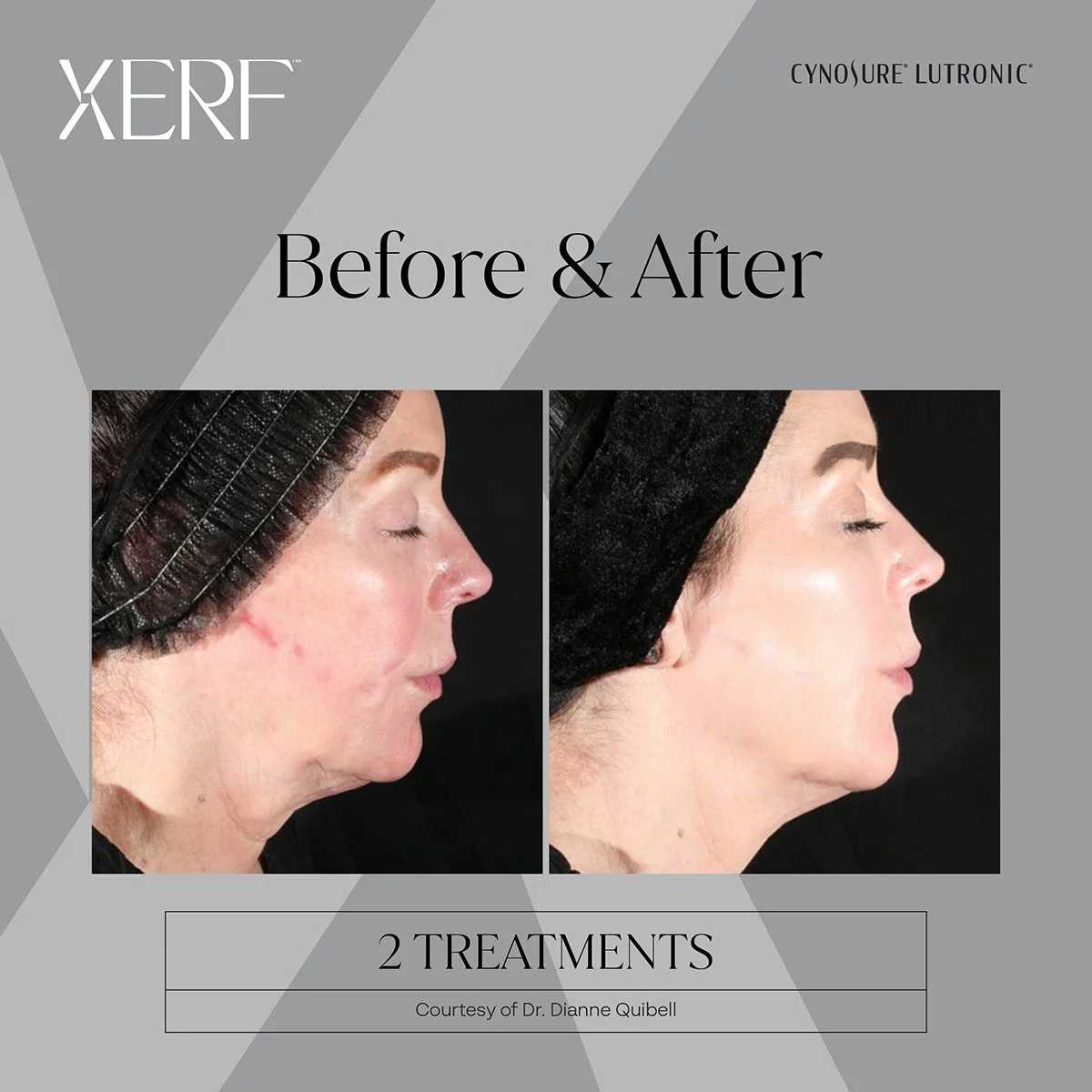
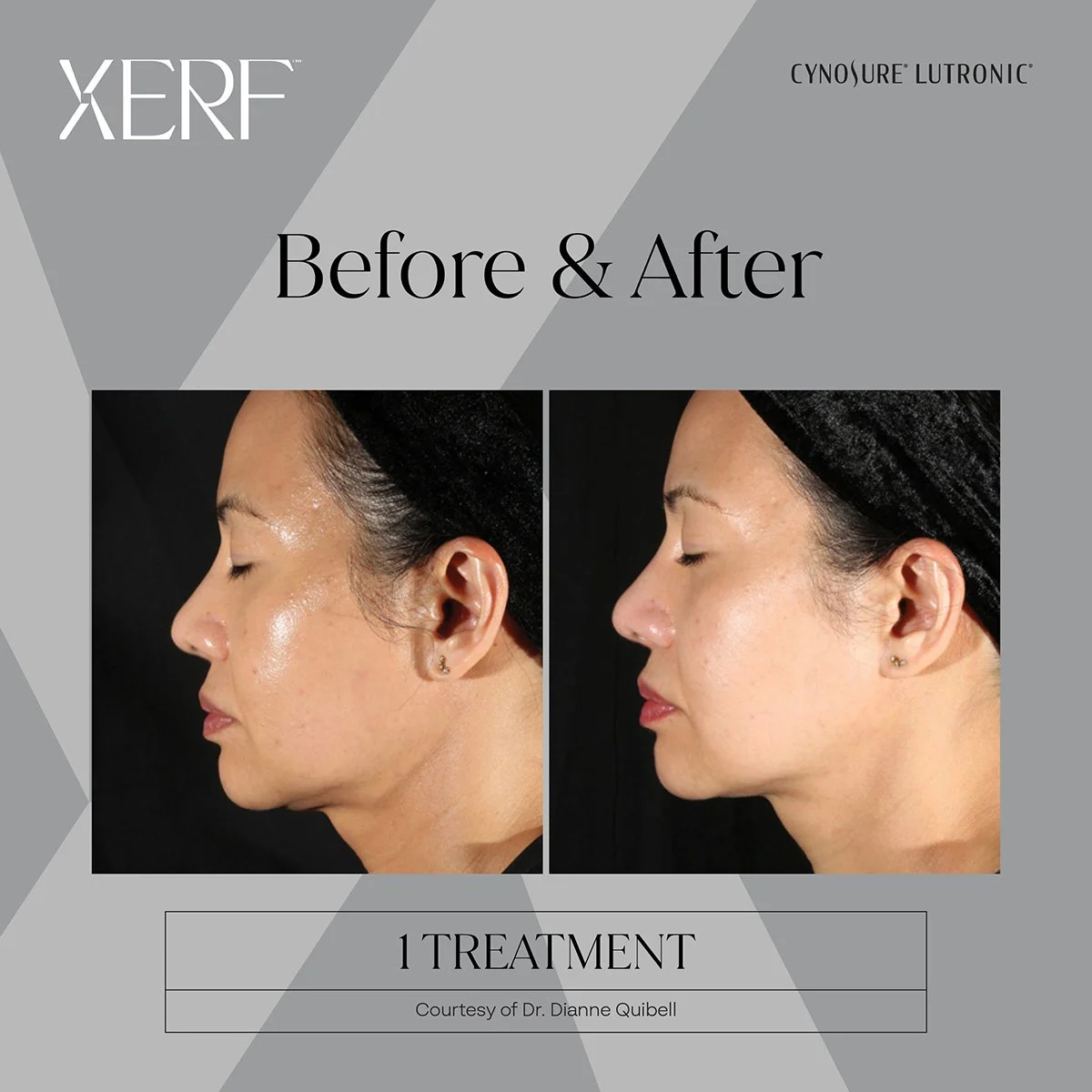
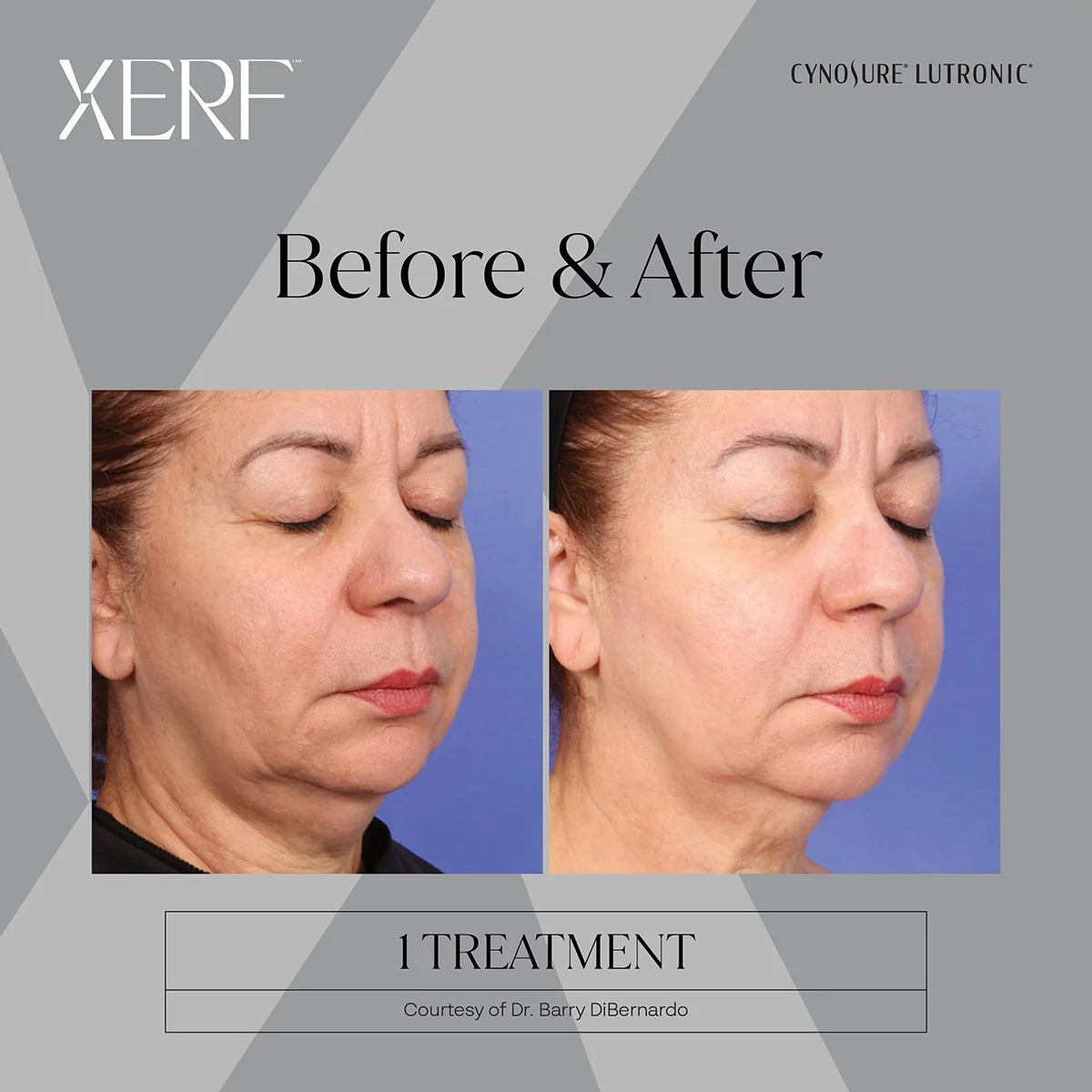
One of the most exciting features of XERF is the immediate visual improvement, which offers an encouraging preview of your skin’s transformation. This initial effect may soften after a few days. The full effects of skin tightening and texture improvement appears around three months post-treatment, when collagen stimulation produces more noticeable, long-lasting improvements.
This combination of instant and progressive results makes the XERF journey both exciting and rewarding, with the delayed peak delivering more substantial and enduring changes in skin firmness and texture.
Before and After Photos:
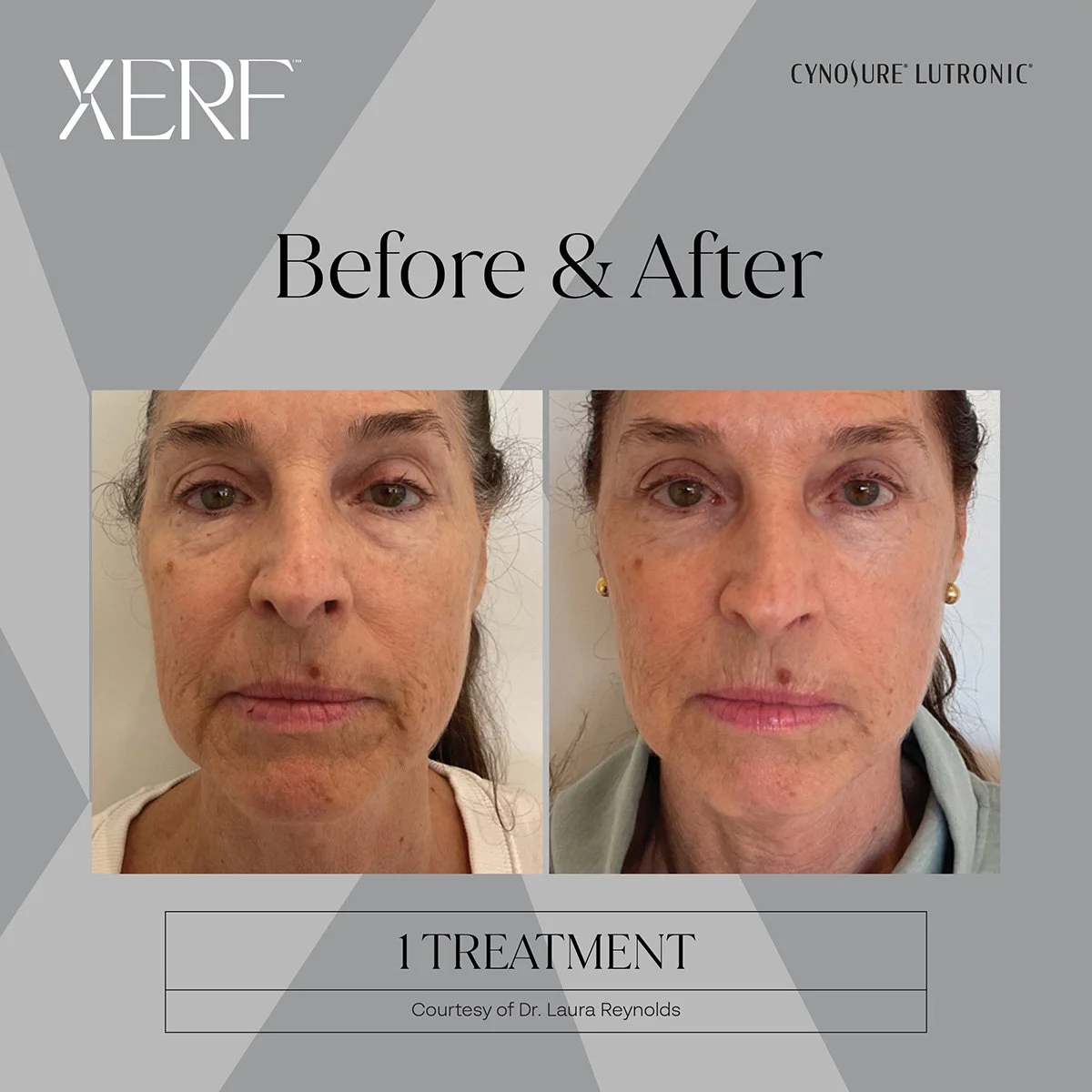
How does XERF compare to other skin tightening devices?
After nearly seven years of dedicated research and development in South Korea, XERF made its clinical debut there. Just over a year later, it received FDA clearance for use in the United States — bringing this advanced dual-frequency RF technology to a broader audience. Below is a brief summary of the nonsurgical skin tightening devices currently on the market based on their mechanism of action. The key difference with XERF compared to all the other devices is it’s depth of penetration and the amount of heat that it can comfortably transfer. No other device on the market besides XERF is able to utilize Artificial Intelligence to measure the skin's depth and accordingly set the optimal treatment depth and energy level for the individual patient.
Ultrasound: Ultherapy, Sofwave, HIFU (High Intensity Focused Ultrasound)
RF (Radiofrequency): Thermage, Ultherapy, XERF
RF Microneedling (micro needling plus radiofrequency): Genius, Potenza, Morpheus 8, Secret RF, Vivace, SylfirmX, etc.)
RF + HIFEM (High Intensity Focused Electromagnetic Energy): EMFACE
depth of treatment for various Skin tightening devices:
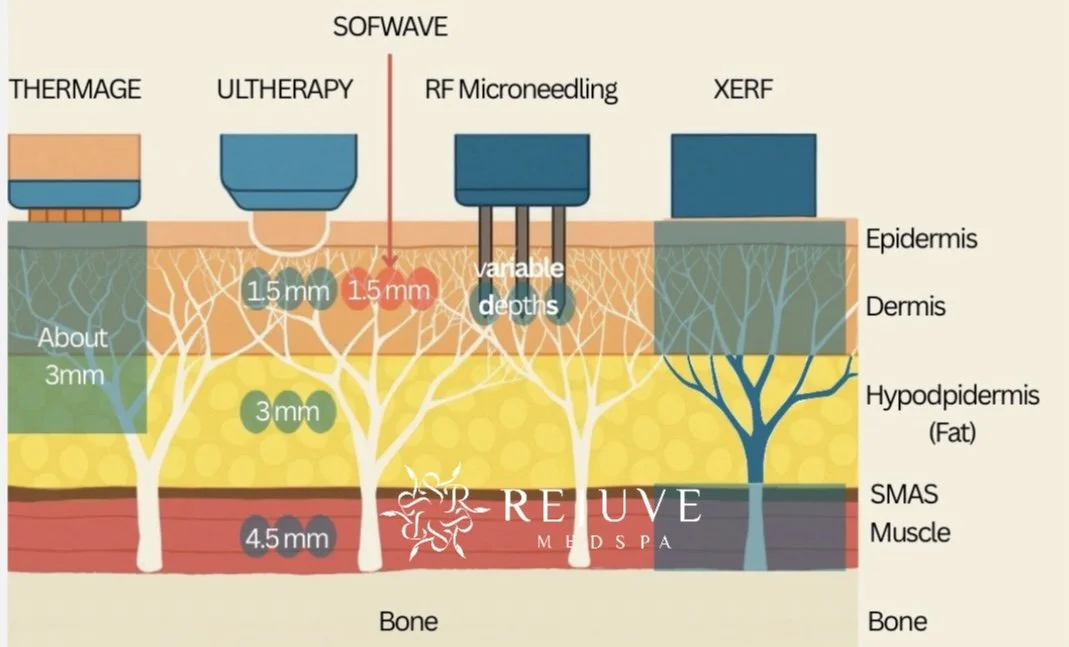
SMAS = Superficial Musculoaponeurotic System - a layer of fibrous tissue and muscle beneath the skin surface that provides structural support to the skin.
XERF vs RF Microneedling:
Radiofrequency microneedling combines the microneedling with Radiofrequency heat to treat multiple depths of the skin to induce collagen and elastin formation. RF Microneedling offers customizable depth settings for surface level concerns, but doesn't penetrate as deeply as XERF to provide the same level of structural tightening. RF microneedling requires topical numbing and can be painful. Different RF microneedling devices have advantages and disadvantages, but that is a topic for discussion on it’s own. There is downtime associated with RF microneedling such as redness, swelling, risks of hyperpigmentation; whereas ZERF is more comfortable and has no associated downtime. With the added topical numbing required, RF microneedling sessions can take longer to perform. RF microneedling delivers energy more precisely to the deeper layers of the skin, while XERF works through bulk heating to treat broader tissue areas. Although XERF can help refine pores and improve the appearance of scars, RF microneedling may offer more targeted results for these specific concerns.
XERF vs Thermage:
Thermage is an older RF technology that uses a single 6.78 MHz frequency to stimulate collagen, primarily targeting skin layers by using pulsed RF energy with fixed cooling cycles and manual impedance monitoring. In contrast, the XERF system is the world’s first multifrequency monopolar RF treatment, combining 6.78 MHz and 2 MHz to reach multiple depths of the skin—surface, mid, and deep—for more effective results. Unlike Thermage, which can be painful and lacks customization, XERF features adjustable settings, continuous controlled RF energy with AI impedance feedback and real-time thermal monitoring, and built-in cooling - providing a safer, more comfortable, and tailored treatment.
XERF vs Exilis:
Both Exilis and Thermage use monopolar radiofrequency (RF), which delivers energy through a single electrode to create a closed-loop circuit that penetrates deeply into the dermis, but does not reach the deeper structures (SMAS level). Unlike Thermage which relies solely on Radiofrequency, Exilis is able to cool the skin for a more comfortable experience and also incorporates ultrasound to control the depth of penetration. Exilis requires multiple sessions to obtain the results of a single session of XERF. Exilis treatments are also lengthy - a full face/neck treatment could take up to 2.5 hours to perform, while XERF treatments takes 60-90 minutes. Both Exilis and XERF do not require topical numbing, and have no associated recovery time.
XERF vs Ultherapy:
Ultherapy uses micro-focused ultrasound energy to heat the tissue to a precise temperature at three specific depths. Ultherapy is difficult to perform and requires an experiences/skilled practitioner to achieve optimal result. The treatment is painful and can unintentionally cause fat loss or nerve damage. Ultrasound also heats everything in it’s path because it does not target a specific chromophore.
1.5 mm - mid dermis (skin layer)
3 mm - deep dermis (fat layer)
4.5 mm - SMAS (Superficial Musculoaponeurotic System)- A network of collagen and elastic fibers, fat, and muscle that lies underneath the skin for lifting effect.
XERF can also penetrate all three depths, but with radiofrequency - not ultrasound. Radiofrequency has the benefit of targeting water as a specific chromophore. So rather than targeting everything in its path like Ultherapy, XERF can specifically target the retaining ligaments which contains high water content while sparing fat and nerves which have low water content. While Ultherapy relies on smaller coagulation zones, XERF relies on bulk heating and can therefore have a broader effect. In addition XERF can emit more energy (higher peak temperature 55-72 degrees Celsius) without being painful because of its surface cooling technology.
XERF vs SofWave:
Sofwave delivers synchronized ultrasound energy into the mid-dermis (1.5 mm) to induce collagen and elastin formation. Although more comfortable than Ultherapy, topical numbing is still recommended for Sofwave. The results from Sofwave develop gradually over time, while XERF produces visible tightening sooner thanks to its bulk heating technology, which targets the skin’s deeper structural layers. With it’s dual monopolar radiofrequencies, XERF can treat multiple depths (surface, mid, deep, whereas Sofwave only treats at the 1.5 mm depth producing superficial skin tightening, rather than the deeper structural tightening seen with XERF.
Comparison of Energy-Based Skin Tightening & Lifting Devices
| Device | Energy Type | Target Depth / Tissue | Primary Mechanism | Fat Impact Risk | Lifting vs Tightening | Pain / Anesthesia | Downtime | Key Strengths | Key Limitations |
|---|---|---|---|---|---|---|---|---|---|
| XERF | Monopolar RF (2 MHz & 6.78 MHz) with AI-guided depth control + dynamic cooling | Shallow, mid, deep (includes retaining ligaments & SMAS) | Bulk collagen contraction + long-term neocollagenesis with controlled volumetric heating | Low when properly set | Lifting, tightening, & structural support | Mild–moderate (no numbing) | None | Precise depth control, uniform heating, strong tightening/lifting without needles, low discomfort | Newer technology; availability limited |
| RF Microneedling | RF delivered via insulated or non-insulated needles | Dermis ± superficial subcutaneous fat (needle-dependent) | Fractional thermal injury → collagen remodeling | Moderate | Primarily tightening; limited lift | Moderate–high; topical numbing required | 3–10 days | Texture improvement, acne scars, customizable depth | Invasive, risk of fat loss, hyperpigmentation, operator-dependent |
| Sofwave | Synchronous ultrasound (SUPERB™) | Mid-dermis (~1.5 mm) | Focused thermal injury stimulating collagen | Low | Tightening only | Mild–moderate | None | Safe, quick | Limited depth; does not reach SMAS |
| Ultherapy | Micro-focused ultrasound | 1.5 mm (dermis), 3.0 mm (deep dermis), 4.5 mm (SMAS) | Coagulation points → tissue contraction | Low–moderate | Lifting & tightening | Moderate–high; analgesia often needed | None | True SMAS targeting, FDA-cleared for lifting | Painful, spotty energy delivery, variable results |
| Thermage | Monopolar RF with surface cooling | Dermis → superficial fat | Bulk heating → collagen contraction | Moderate | Tightening only | Moderate | None | Well-studied, single-session treatment | Less precise, discomfort, inconsistent heating |
| Exilis | Monopolar RF + ultrasound | Dermis → superficial fat | Thermal heating + tissue stimulation | Moderate | Mild tightening | Mild | None | Body contouring, non-invasive | Limited lifting, weaker facial tightening |
Kybella for Double chin
What is Kybella?
Kybella is an injectable treatment containing synthetic deoxycholic acid for permanent fat reduction. Kybella is FDA approved for the removal of fat under the chin also known as the submental area. Deoxycholic acid is naturally produced by our body to break down and absorb dietary fat. By the same principle, Kybella is designed to permanently reduce fat under the skin for desired aesthetic outcomes such as reducing the appearance of a “double chin”.
Who is a good candidate for Kybella?
Kybella is indicated for reduction of moderate to severe fat in the patients with double chin. However, for people with very large amounts of submental fat, liposuction might be more beneficial than Kybella. Alternatively, some people may mistaken loose skin tissue for fat. For those with loose skin rather than fat, skin tightening procedures would be more beneficial. Treatment options for skin tightening include Genius RF Microneedling or EXILIS (radiofrequency and ultrasound). Patients who are taking blood thinners or who are pregnant cannot be treated with Kybella.
What to expect after Kybella treatment?
After Kybella is injected under your chin, it starts breaking down fat cell membranes. This causes temporary swelling as the contents of the fat cells are being released into the tissues. Swelling peaks in the next 2-3 days, and then gradually improves over 2-3 weeks. Brusing can also occur. We re-evaluate the results in 5-6 weeks and will continue treating to achieve the desired outcome. Kybella usually requires several sessions, depending on the amount of fat in this area.
Patients may experience temporary numbness as the swelling can push against the nerves. Your body will mobilize macrophages (white cells) to clear out the dead fat cells which usually takes 4-6 weeks. Reassessment after 6 weeks is necessary to evaluate for the need for any additional treatments. The average number of treatment sessions varies between 2 and 4. The average number of vials of Kybella per session varies between 2 and 4 depending on the amount of fat we are targeting.
How is Kybella performed?
We assess the area of treatment for presence of fat tissue. We can determine the depth of the fat tissue using ultrasound. After prepping the area with a medical grade cleanser, the margins of the treatment field are marked with a brow pencil. Injections are spaced about 1 centimeter apart and cover the entire area targeted for treatment.
How do I prepare for Kybella treatment?
The most important thing to consider before treatment is to expect social downtime due to post procedural swelling. To minimize likelihood of bruising, we recommend avoiding consumption of alcohol, NSAIDs (ibuprofen type of products), Vitamin E, and flaxseeds. It would be helpful to take a dose of acetaminophen (Tylenol) 30 minutes prior to treatment unless you don’t have contraindications to this medication. Please, stay well hydrated. You will be able to drive yourself home.
What are alternative treatments to Kybella?
At Rejuve Medspa, Kybella has fallen out of favor due to it’s high cost, associated swelling causing prolonged downtime, and need for repeat treatments to produce noticeble results. In addition, Kybella does not help with skin laxity (loose skin) once volume has been reduced. On the other hand, Genius RF microneedling can both target fat and tighten skin. A newer technology called XERF, can also target fat while in addition to address structural skin tightness.
FIND OUT MORE
QWO - is no longer available.
Cellulite has always been challenging to manage. QWO was discontinued in 2022 due to concerns over bruising and prolonged skin discoloration at the injection site. And quite frankly, it wasn’t really that effective.
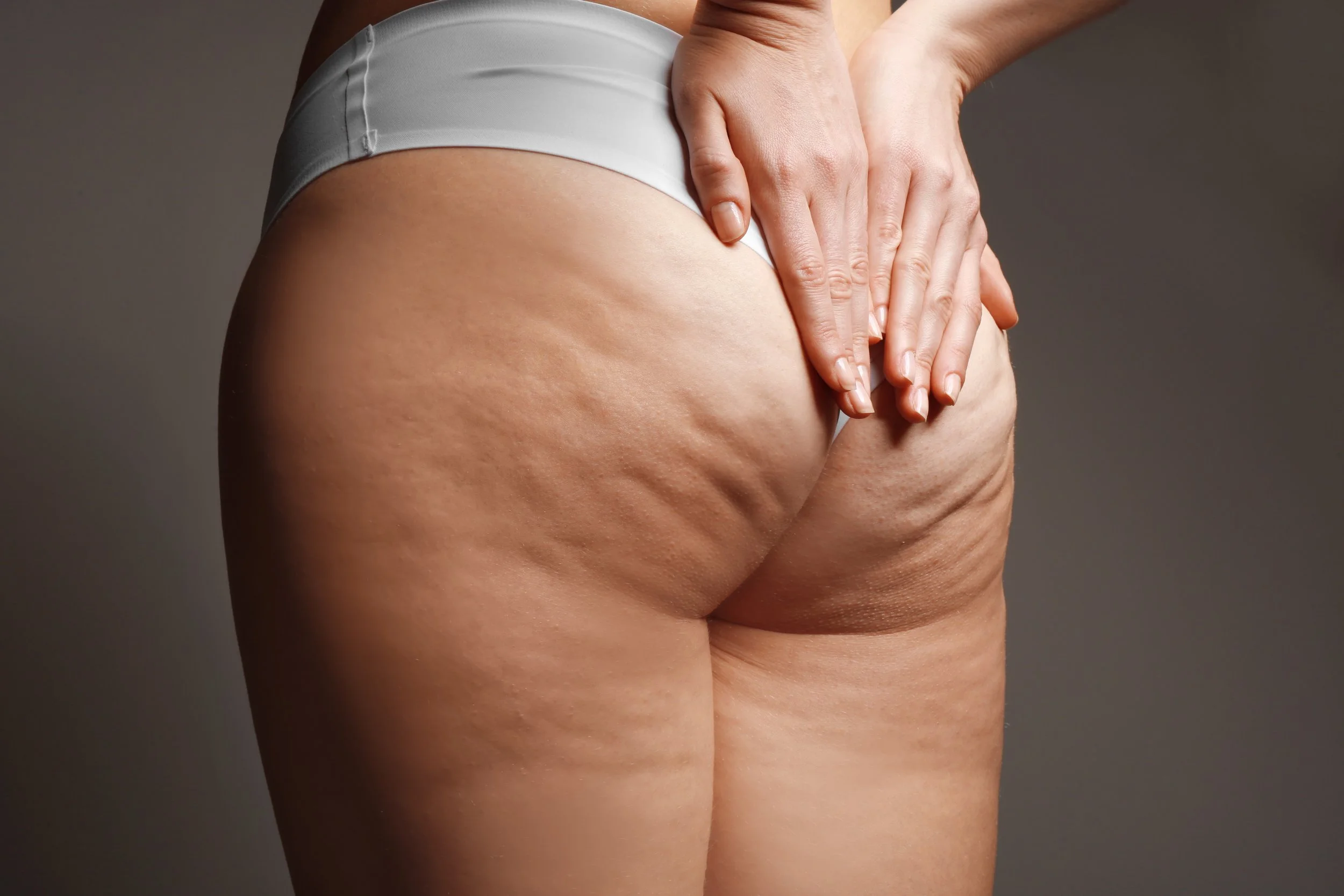
Cellulite Formation:
Cellulite is caused by the bulging of fat cells as fibrous connective cords tether down the skin resulting in a dimpled appearance. Cellulite is more common in women and often seen on the buttocks and thighs. About 90% of adult women of all shapes, sizes, ages and races are reported to have cellulite. Are fat and cellulite the same? Fat is not cellulite and does not cause it, but fat cells getting bigger between fibrous bands under the skin can contribute to a bumpy appearance.

What are the options to treat cellulite?
RF microneedling
Subcision
Smooth PDO threads
Radiofrequency devices (Tempsure, Emtone, etc)
XERF - Dual frequency RF device
Cellulite FAQ’s
Can weight loss help get rid of cellulite?
Weight loss might improve the appearance of cellulite for some people, but won’t completely resolve it because weight doesn’t address the fibrous bands under the skin’s surface. In some cases, weight loss can actually make cellulite look more prominent due to worsening skin laxity (loose skin).
Can exercise reduce the appearance of cellulite?
Tough workouts and healthy eating habits are fantastic for your fitness and overall wellness—but won't do much to reduce or treat the underlying cause of your cellulite.
Do topical treatments help decrease the appearance of cellulite?
Topical treatments such as lotions, creams and scrubs have been used to temporarily reduce the appearance of cellulite.
What body parts are most prone to cellulite?
In an online Harris Poll survey of 2,006 women with cellulite, respondents said their cellulite was most commonly present in certain areas: 81% thighs, 66% butt, 42% stomach, 33% hips, 24% arms, 11% calves. Although cellulite can develop in various areas of the body, it mainly affects women and the predominant localization is on thighs and buttocks. This is because women tend to have more fatty deposits in these areas.
How does age impact the appearance of cellulite?
As we lose collagen over time, our skin gets thinner. Thinning of the skin leads to skin laxity (loose skin) which worsens the appearance of cellulite.
Why does treating cellulite matter?
Cellulite isn’t just a superficial problem—it’s actually quite deep. According to a recent Harris Poll online survey of 2,006 women, nearly half said they are bothered “a great deal” or “a lot” by their cellulite.
PRX Skin Tightening “no Peel” Chemical PEEL
As the saying goes, “fall is peel season”, known as the “perfect” time for deep exfoliation and skincare. With PRX, anytime of the year is a perfect time. This no-downtime chemical peel works on the deep skin layers, so you don’t get the traditional sheets of peeling skin that makes it embarrassing to be seen in public. Because PRX activates deeper depths of skin, it has more skin-tightening benefit. Your skin will appear smoother, firmer, and brighter without needles or downtime.
What is PRX T33?
PRX T33 is a revolutionary skin bio-revitalizing procedure from Italy with an international patent that is beneficial for all skin types, and safe to use during all seasons. PRX T33 combines hydrogen peroxide (H2O2) and a high concentration of trichloacetic acid (TCA) for immediate and long-term improvements to the skin. Another key component is Kojic acid which helps to brighten the skin. PRX T33’s effects are unparalleled in the aesthetic industry with proven results over time and more than 3 million applications administered worldwide.
What skin conditions will PRX Improve?
PRX T33 may improve a variety of skin conditions for both the face and body. PRX is also ideal for reversing and preventing signs of aging skin. PRX can help stimulate improvements in the appearance of :
Pitted scars (acne, surgical, chicken pox, impetigo, etc)
Stretch marks
Sagging skin (face and body)
Fine lines/wrinkles
Dullness
Pore size
Hyperpigmentation (melasma, sun damage, scars)
Redness
Aging skin
What can I expect after receiving a PRX Treatment?
Immediately after the treatment, your skin will be glowing. The skincare regimen recommended after a PRX treatment is simple. One day after the treatment, apply the smoothing fluid (at night time only) then 30 minutes later, apply the moisturizing cream (morning and night). You may experience some mild flaky skin which can be exfoliated. At Rejuve Medspa, we recommend only gentle exfoliating cleansers. One of our favorites is DefenAge Step 1 Cleanser.
How many PRX sessions will I need?
If you are doing PRX alone without combining other modalities such as lasers, microdermabrasion or microneedling, then 4-8 sessions may be needed. Sessions are performed 1 week apart ideally for optimal results.
PRX combined with LaseMD Ultra Laser:
Combining treatment modalities will enhance the skin tightening and brightening effects of PRX. LaseMD Ultra will resurface the skin allowing the PRX to penetrate more thoroughly and deeply for enhanced results. The immediate glow and skin tightening benefit will also be associated with some flaky skin as the exfoliating effect of both treatments will be more apparent.
PRX Combined with Hydro Dermabrasion:
Our signature Hydro Dermabrasion facial provides a deep exfoliation utilizing a diamond tip and suction to remove the top layer of dead skin cells. PRX applied after a Hydro Dermabrasion facial will boost the bio-revitalizing effects of PRX to give your skin an immediate firmer appearance and dewy glow.
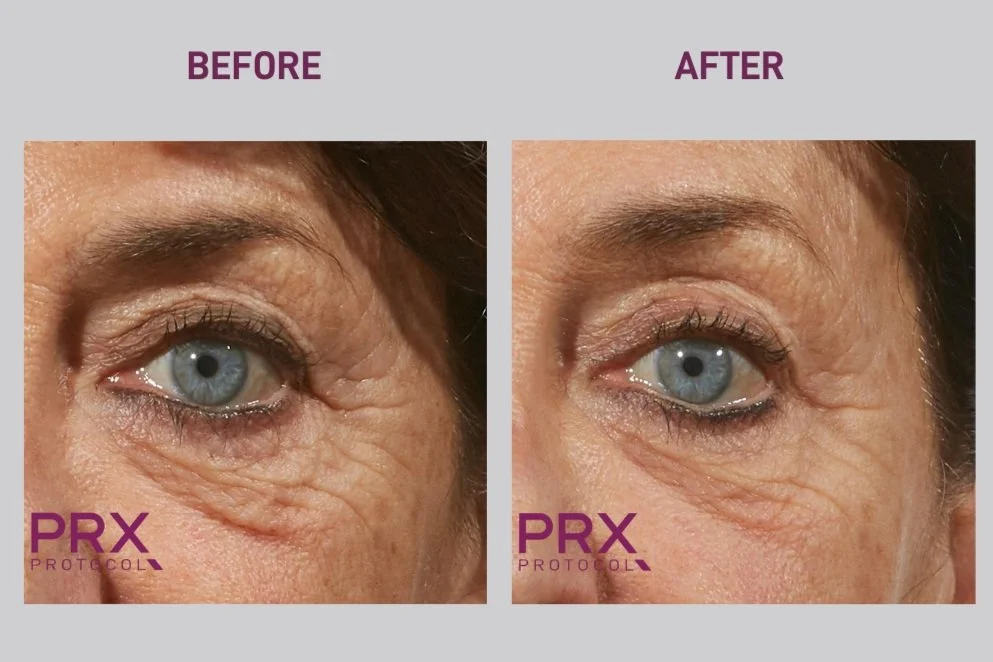
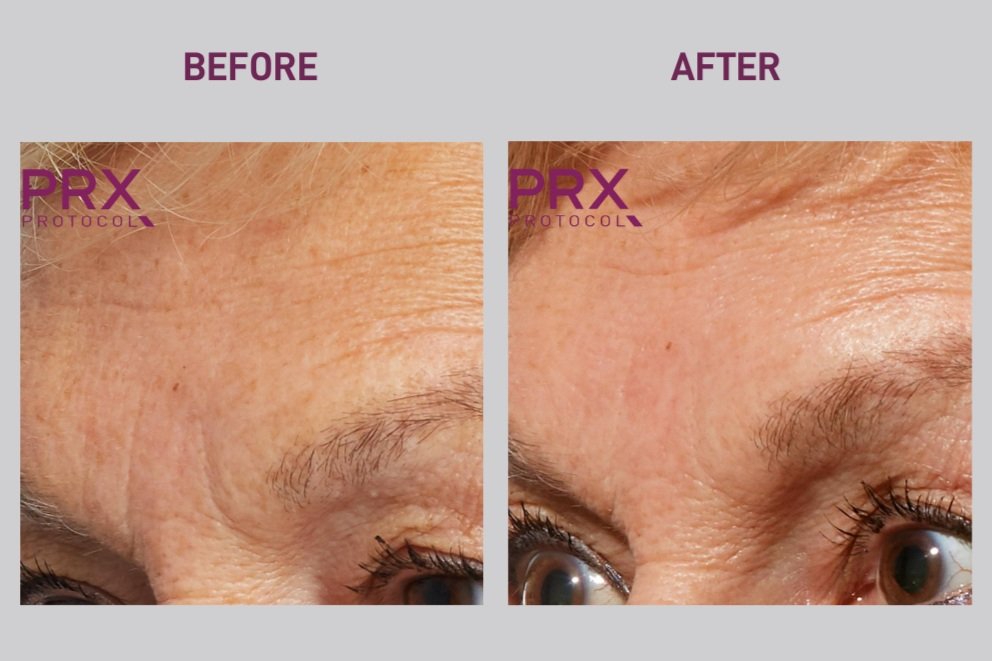
Before and After 6 Sessions of PRX:
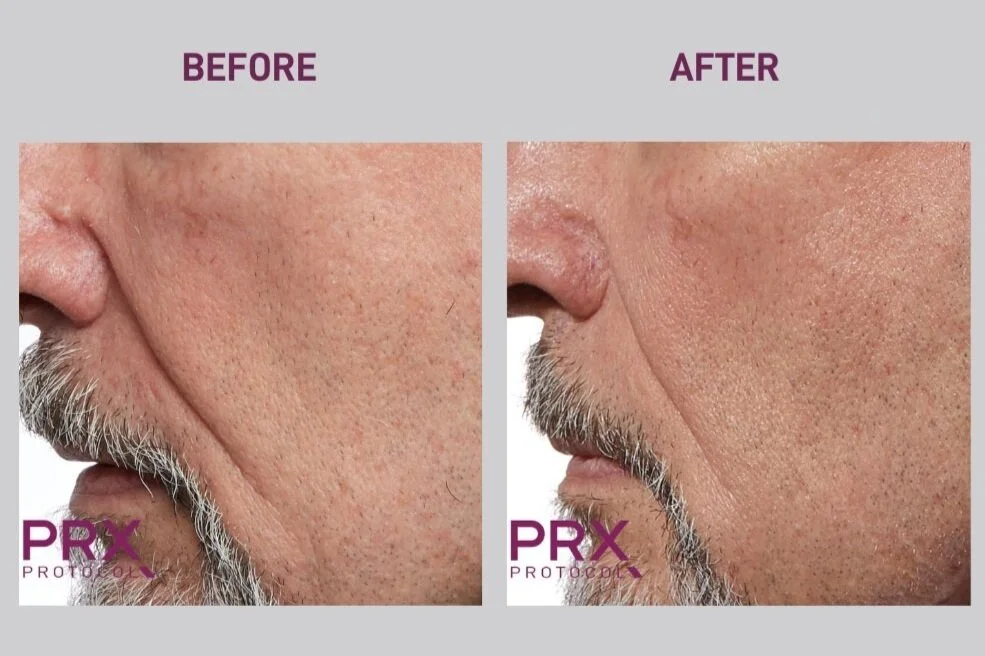

Exosomes are a cutting edge scientific biotech breakthrough for skin rejuvenation and regeneration. Exosomes serve as “messengers” within the body, transferring information from cell to cell such as the exchange of RNA and other important proteins responsible for healing (fibroblasts, keratinocytes, immune cells, etc.). Exosomes reduce the appearance of age related pigment, reduce fine lines & wrinkles, tighten appearance of loose skin, hydrate & nourish skin for a more radiant and even-toned complexion.
This page has been archived. Please return to our HOME PAGE
Rejuve Medspa is located at the Newcastle Commons in Newcastle, WA. This area is conveniently close to Seattle, Bellevue, Mercer Island, Sammamish, Issaquah, Renton, and Redmond.
Can Healthy Sustainable weight Loss be Achieved with GLP-1 Inhibitors Like Wegovy or Zepbound?
Injectable weight loss medications like Wegovy (Semaglutide) and Zepbound (Tirzepatide) have initiated a significant wave of weight loss success for many in need. Sustainable weight loss involves long-term lifestyle and dietary changes combined with a consistent exercise routine. With the proper monitoring and dosing, a safe level of weight loss can be achieved with injectable weight loss medications such as Tirzepatide and Semaglutide. It’s important to understand the potential side effects before starting and to have the proper guidance from a medical doctor.
Who Should be using GLP-1 Weight Loss Medications?
While GLP-1 inhibitors have shown clear benefits for treatment of obesity with BMI (body mass index) over 30, there is no clear guidance or long-term research information regarding healthy individuals who only want to lose 5-20 pounds. For overweight individuals who also have diabetes or high blood pressure, GLP-1 inhibitors has been shown to reduce the risk of stroke, heart disease, blood sugar control, and even liver health.
How Long Should I be using Injectable Weight Loss Medications?
Dosing duration is variable depending on co-existing health problems and weight challenges. Ideally, long-term use of GLP-1 medications should be limited due to potentially devastating side effects such has thyroid cancer, stomach paralysis (gastroparesis) and even blindness. Patients should be well-aware of any potential side effects and have informed consent with a qualified health professional.
Should you be using Compounded Versions of Wegovy or Zepbound?
In December 2024, the FDA declared that Zepbound was no longer in short-supply and in February 2025, the shortage of Wegovy also ended. Therefore compounding pharmacies have since been prohibited from legally distributing generic versions of Wegovy and Zepbound. Despite that, many online platforms, medical spas and weight loss clinics are still providing generic versions.
Compounding pharmacies ignoring ethics and legalities often mix generic GLP-1’s with Vit B12, Vit D, or other ingredients. There are quality & consistency issues: Compounded or imported GLP-1 may not meet FDA standards for purity, potency, or stability, increasing the risk of under- or overdosing. Patient safety risks include incorrect dosing or contamination can lead to serious side effects, including vomiting, pancreatitis, thyroid issues, hypoglycemia (low blood sugar), bacterial contamination, or vitamin toxicity, among other things.
What is a healthy rate of weight loss?
Typically a healthy rate of weight loss is 1-2 pounds per week for most people. This may vary depending on your overall weight.
What are the dangers of losing weight too fast?
Extreme dieting or medications such as Wegovy (Semaglutide) and Mounjaro (Tirzepatide) may lead to rapid weight loss. However with proper monitoring and dosing, rapid weight loss can be avoided. Losing weight too quickly can pose several risks to your health. Here are the key concerns:
Nutrient Deficiencies:
Rapid weight loss often involves extreme calorie restriction, which can lead to inadequate intake of essential nutrients such as vitamins, minerals, and proteins which then has cascading effects on muscle mass, facial volume, hair density, skin elasticity, and metabolism.
Muscle Loss:
Extreme calorie restriction forces the body to use muscle protein for energy, leading to muscle breakdown. Rapid weight loss diets often lack adequate protein, which is essential for maintaining muscle mass. Losing muscle mass will decrease your overall strength and slow down your metabolism.
Hair Loss:
Rapid weight loss can be a physical stressor, which can disrupt the normal hair growth cycle, leading to a condition known as telogen effluvium, where hair prematurely enters the shedding phase. Quick changes in diet and weight can alter hormone levels, impacting hair growth and potentially causing hair loss.
Loose Skin:
Losing weight too quickly can result in loose, sagging skin, as the skin doesn’t have enough time to adjust to the body’s new shape.
Facial volume loss:
Quick weight loss leads to a significant reduction in facial fat, which can make the face appear gaunt and less youthful. Along with fat, there is also loss of muscle mass in the face, contributing to a hollowed appearance. The skin has insufficient time to adjust to the smaller contours of the face, resulting in loose and sagging skin.
Gallstones:
Quick weight loss increases the risk of developing gallstones, which are hard deposits of cholesterol in the gallbladder that can cause pain and digestive issues.
Metabolic Slowdown:
A significant reduction in calorie intake can slow down your metabolism, making it harder to maintain weight loss and potentially leading to weight regain.
Dehydration:
Rapid weight loss can lead to dehydration, especially if it is achieved through extreme diets or excessive sweating.
Electrolyte Imbalance:
Losing weight too fast can disrupt the balance of electrolytes in your body, leading to symptoms like fatigue, muscle cramps, and irregular heartbeats.
Mental Health Issues:
Rapid weight loss can contribute to mental health problems such as anxiety, depression, and eating disorders due to the stress and pressure of maintaining extreme diets or exercise routines.
Fatigue and Weakness:
Extreme dieting and fast weight loss can lead to general fatigue, weakness, and a decrease in energy levels, affecting your daily activities and overall quality of life.
Rebound Weight Gain:
Quick weight loss is often not sustainable, and many people regain the weight they lost (and sometimes more) once they return to their regular eating habits.
For these reasons, health experts typically recommend aiming for a gradual weight loss of about 1-2 pounds per week, which is more sustainable and poses fewer health risks.
What’s the best way to lose weight?
Sustainable weight loss involves maintaining healthy lifestyle and dietary habits combined with a consistent exercise routine. Those who need a boost, often resort to injectable weight loss medications.
How can Emsculpt NEO or Strength Training help with Healthy Weight loss?
Emsculpt NEO effectively increases muscle mass and strength, contributing to a toned and sculpted appearance. The radiofrequency energy component helps reduce stubborn fat to enhance overall body contour. Emsculpt NEO is non-invasive, with no downtime, only 30 minutes per session making it a convenient and time-saving addition to a weight loss program. Emsculpt NEO works synergistically with diet and exercise, accelerating results and boosting metabolism.
How does increasing muscle mass improve metabolism and contribute to weight loss?
Muscle mass improves metabolism and contributes to weight loss in several key ways:
Increased Basal Metabolic Rate (BMR): Muscle tissue is metabolically active and burns more calories at rest compared to fat tissue. This means that the more muscle mass you have, the higher your BMR, which is the number of calories your body needs to maintain basic physiological functions while at rest.
Higher Caloric Expenditure: During physical activity, muscles require more energy, resulting in a higher caloric burn. This is true for both resistance training and everyday movements, making weight management more efficient.
Enhanced Post-Exercise Caloric Burn: Building muscle through strength training causes your body to continue burning calories even after the workout is finished, a phenomenon known as excess post-exercise oxygen consumption (EPOC).
Improved Insulin Sensitivity: Increased muscle mass improves the body’s ability to respond to insulin, which helps regulate blood sugar levels more effectively. Better insulin sensitivity reduces the likelihood of fat storage and aids in maintaining a healthy weight.
Fat Utilization: Having more muscle mass shifts the body’s energy utilization towards burning fat, especially during periods of calorie restriction or weight loss efforts.
Support for Healthy Hormone Levels: Muscle mass helps maintain balanced hormone levels, including those that regulate metabolism and appetite. This hormonal balance supports sustained weight loss and prevents metabolic slowdown.
By enhancing metabolic rate and increasing the body’s efficiency in burning calories and utilizing fat, muscle mass plays a crucial role in both weight loss and long-term weight management. Emsculpt NEO is FDA cleared for treatment of 10 body areas to include: abdomen, arms (triceps, biceps), obliques (flank region), thighs (anterior, medial, lateral, posterior), buttocks, and calves.
When should I consider weight loss medications?
If dieting and exercise has been unsuccessful, you might consider an alternative approach. Weight loss medications like Semaglutide (Wegovy) or Tirzepatide (Mounjaro or Zepbound) can be considered under specific circumstances:
Body Mass Index (BMI) Criteria:
Adults with a BMI of 30 or higher (obese).
Adults with a BMI of 27 or higher (overweight) with weight-related health conditions such as type 2 diabetes, hypertension, or dyslipidemia.
Failure of Lifestyle Changes:
Individuals who have not achieved significant weight loss or sustained weight loss with diet and exercise alone.
Those who have made serious efforts at lifestyle modifications without the desired results over a reasonable period.
Presence of Comorbid Conditions:
Patients with obesity-related health issues such as type 2 diabetes, cardiovascular disease, obstructive sleep apnea, or non-alcoholic fatty liver disease, where weight loss is critical for improving health outcomes.
Health Risks of Obesity:
Individuals whose obesity poses a significant risk to their health and well-being, potentially leading to severe medical complications.
At Rejuve Medspa, Dr. Kaplan can help you determine if weight loss medications are appropriate for your specific situation, ensuring a comprehensive approach to weight management. The decision should not be taken lightly. Awareness of the potential risks is important. Medical clearance with laboratory monitoring will be required.
How much weight loss can I expect with Semaglutide or Tirzepatide?
Semaglutide and tirzepatide have shown significant potential for weight loss in clinical studies. Here is an overview of the expected weight loss with each medication:
Wegovy (Semaglutide)
Clinical Trial Results:
In the STEP (Semaglutide Treatment Effect in People with obesity) trials, participants taking semaglutide (Wegovy) achieved an average weight loss of around 15% of their initial body weight over 68 weeks.
Some participants experienced weight loss of up to 20% or more.
Dosing and Duration:
The typical dosing for weight loss starts at a lower dose and gradually increases to the full dose of 2.4 mg once weekly.
Maximum weight loss is often seen after 6 to 12 months of continuous use.
Zepbound (Tirzepatide)
Clinical Trial Results:
In the SURPASS clinical trials, participants taking Tirzepatide (Mounjaro) achieved an average weight loss ranging from 15% to 22.5% of their initial body weight, depending on the dose.
The higher dose of 15 mg once weekly showed the greatest weight loss.
Dosing and Duration:
Tirzepatide dosing starts at a lower level and gradually increases to the target dose over several weeks to minimize side effects.
Significant weight loss is typically observed within the first few months, with continued benefits over 12 months or longer.
Factors Influencing Weight Loss
Adherence to Medication: Consistent use as prescribed is crucial for achieving optimal results.
Lifestyle Modifications: Combining medication with diet changes and regular physical activity enhances weight loss outcomes.
Individual Variability: Results can vary based on factors such as age, gender, baseline weight, and overall health.
Both semaglutide and tirzepatide offer substantial weight loss potential, especially for individuals who have struggled with traditional weight loss methods. It's essential to consult with a healthcare provider to determine the most appropriate treatment and to tailor the approach to individual needs.
What are the potential side effects of Wegovy or Zepbound?
Side effects may include: nausea, loss of appetite, diarrhea, vomiting, constipation, abdominal pain, dyspepsia (heartburn), headache, fatigue, bloating (burping and flatulence). More serious but less common side effects include: gastritis (stomach inflammation), gallstones, pancreatitis, low blood sugar, abdominal distention (bloating), low blood pressure and syncope (fainting), acute kidney injury, thyroid cancer, allergic reaction, necrotizing pancreatitis sometimes resulting in death.
Is Tirzepatide or Semaglutide better for weight loss?
At Rejuve Medspa, we prefer Zepbound since it has been shown to be associated with fewer side effects and less risk of potential complications. Zepbound is also very effective for weight loss at low doses, especially for those with BMI less than 30.
Is there an alternative weight loss medication?
Metformin has been widely used for many years and has a safety track record. Metformin, primarily used to treat type 2 diabetes, can also aid in weight loss through several mechanisms:
Improved Insulin Sensitivity: Metformin enhances the body's sensitivity to insulin, reducing insulin levels and decreasing fat storage.
Reduced Appetite: It can help reduce appetite, leading to lower caloric intake and potential weight loss.
Lower Glucose Production: Metformin decreases the liver's glucose production, which helps regulate blood sugar levels and can contribute to weight loss.
Altered Gut Microbiota: Metformin promotes the growth of beneficial gut bacteria while reducing harmful ones. This improved balance can enhance metabolic functions and contribute to weight loss.
Increased Production of Short-Chain Fatty Acids (SCFAs): The beneficial bacteria fostered by metformin produce SCFAs, which have been shown to improve insulin sensitivity, reduce inflammation, and regulate appetite, all of which support weight management.
Metformin is not known to cause rapid weight loss. Thus the potential for hair loss, muscle loss, facial volume loss, sagging skin, gallstones, and pancreatitis are not typically associated. Unlike semiglutide or terzepatide, metformin is not linked with thyroid cancer, anaphylaxis (severe allergic reaction), Patient taking metformin can sometimes experience nausea, diarrhea, reduced appetite but this can be minimized by slowly increasing the dose. Metformin can lead to mild reduction in weight (about 5 pounds) for many people. It may be a good alternative for those wishing to wean off injectable weight loss medications such as Tirzepatide or Semaglutide. It might also be a consideration for those who prefer not to take injectable weight loss medications.
What are the most important elements of proper Nutrition and Lifestyle for sustainable weight loss?
Calorie Reduction: Avoid calorie-dense foods such as potato chips, which are easy to eat and can allow us to consume more calories than we need before we sense we’ve had enough.
Lean Proteins: Prioritize lean proteins to support healthy muscles. Good sources of protein are lean meats, beans, peas, and lentils. Most patients require around 60-80 grams of protein per day, but this may vary depending on your health conditions. Consider meeting with a registered dietitian for more individualized advice.
Fiber: Consuming whole grains, non-starchy vegetables, and fruits as part of a balanced diet, and they are also great sources of fiber.
Movement: your body regularly. Make a plan for regular physical activity, which includes strength training and stretching to promote strength, function, and weight maintenance.
Stress management: Incorporating stress management, mindfulness, and a healthy sleep pattern to support mental well-being and restoration.
Sleep: Adequate sleep supports weight loss by regulating hormones that control hunger and appetite, improving metabolism, and reducing cravings for high-calorie foods. Consistently getting enough rest helps the body burn energy efficiently and maintain healthy weight management.
Strength Training: improved insulin resistance and metabolism boost.
In summary, lifestyle, diet and exercise are more important than medication for healthy, sustainable weight management.
Should PDGF (Platelet Derived Growth Factor) be Injected for Cosmetic Purposes?
In recent years, Platelet-Derived Growth Factor (PDGF) has gained attention in the aesthetic and regenerative medicine space. While growth factors play an important role in wound healing and tissue repair, it is critical to understand the risks, regulatory status, and lack of research behind the injection of PDGF. Ariessence is the maker of pure PDGF+ which is touted to help promote skin rejuvenation by using recombinant technology to produce a sterile, pharmaceutical-grade PDGF product.
What does PDGF Do?
PDGF is released by platelets, fibroblasts, and other cells at sites of injury, where it helps:
Stimulate cell division and growth – especially in fibroblasts, smooth muscle cells, and glial cells.
Promote angiogenesis – the formation of new blood vessels to deliver oxygen and nutrients to healing tissue.
Support wound healing and regeneration – by attracting cells needed for repair, such as fibroblasts and macrophages.
What is the proper classification of PDGF?
PDGF (Platelet-Derived Growth Factor) is a naturally occurring protein found in the body that plays a key role in cell growth, tissue repair, and wound healing. Since PDGF has bioliogic properties, some would argue that it cannot be classified as a “cosmetic” product.
Where is Ariessence PDGF being injected?
Despite the website description that Arriesence PDGF is a “cosmetic” product that should only be used “topically”, they also imply that the product is “pure” (thus appropriate for injection). Many injectors are suggesting “off-label” use of PDGF. Common areas currently being injected at many medical spas, dermatology and plastic surgeon’s offices include the under eye region and the scalp.
Under Eyes (tear trough) - to improve skin brightness, thickness, and elasticity
Scalp - to promote hair growth
Is PDGF FDA-Cleared for Injection for cosmetic purposes?
Ariessense pure PDGF+ reportedly contains up to 300,000 times the growth factor concentration of competitive applications, and consists of four ingredients: water, sodium acetate, hyaluronic acid, and sh-polypeptide-59 dimer. It is marketed for topical application after cosmetic procedures such as microneedling and lasers to boost recovery and enhance results. Although cosmeceutical products for topical use are not required to undergo FDA clearance, Ariessence advertises that their company “has 4 FDA approvals in other medical treatments” (GEM 21S®, Augment®, Augment®Injectable, and Regranex®). Their website also states that Ariessence pure PDGF+ “is marketed as a cosmetic product and is not intended for any therapeutic use.”
PDGF is currently not FDA-cleared for injection into the skin for aesthetic purposes. The FDA strictly regulates what products and biologics can be injected, and PDGF has not undergone the rigorous testing required to prove its safety and effectiveness in this form. Using a substance outside of its approved indication puts patients at unnecessary risk without clinical proven long-term benefit.
What are the potential complications of PDGF Injections?
Because PDGF has not been specifically studied for aesthetic injections, there is still much to learn about the product in this regard. Many providers have started posting on Instagram about outcomes and complications related to PDGF injections. I would encourage you to have a look at @drgerstmannyc for photos and Instagram posts about PDGF complications. Her Instagram posts reveal several examples of patients having undesirable cosmetic outcomes related to PDGF injections. Because there is no associated objective data such as biopsy or imaging (CT, MRI, ultrasound, etc) coupled with her photos, one can only surmise what the skin appearances are caused by. Viable possibilities include cellular hyperplasia, excess collagen build-up, nodules, or granulomas.
Link to Cancer Cell Proliferation
Scientific literature has shown that PDGF signaling can be associated with the proliferation of certain cancer cells. Because growth factors stimulate cell activity, there is concern that injected PDGF could potentially contribute to abnormal or uncontrolled cell growth. Until proven otherwise in large-scale, long-term studies, this risk should not be ignored. Clinical research links showing PDGF with cancer association: https://www.ncbi.nlm.nih.gov/books/NBK5983/ . https://pubmed.ncbi.nlm.nih.gov/37002577/#:~:text=To%20combat%20hypoxia%20in%20the,;%20PDGF%20receptors;%20Signaling%20pathway. https://pmc.ncbi.nlm.nih.gov/articles/PMC3525704/#:~:text=Autocrine%20PDGF%20signaling%20has%20also,in%20breast%20cancer%5B9%5D. https://www.oncotarget.com/article/14283/text/#:~:text=Our%20results%20showed%20that%20up,in%20CRC%20is%20still%20unknown. https://www.sciencedirect.com/science/article/abs/pii/S1526820921001476. https://pmc.ncbi.nlm.nih.gov/articles/PMC7709832/#:~:text=PDGF%2DBB%20administration%20at%20%3E25,expression%20of%20its%20downstream%20genes.
How PDGF Contributes to Cancer Development and Progression:
Direct Tumor Growth: PDGF can drive tumor cells to grow and divide through autocrine signaling. In this process, tumor cells release PDGF and then bind it to their own receptors, creating a self-sustaining cycle that fuels uncontrolled growth.
Angiogenesis (Blood Vessel Formation): PDGF promotes the development of new blood vessels, supplying tumors with oxygen and nutrients necessary for continued survival and expansion.
Metastasis:
Lymphatic Spread: PDGF can stimulate the formation of new lymphatic vessels, making it easier for cancer cells to migrate to lymph nodes.
EMT and Invasion: PDGF signaling can trigger epithelial-to-mesenchymal transition (EMT), a process that increases tumor cell mobility and invasiveness, enabling cancer to spread.
Tumor Microenvironment Modulation: PDGF affects not only tumor cells but also surrounding stromal and vascular cells, shaping the tumor microenvironment. This interaction can enhance tumor growth, promote spread, and contribute to resistance against therapies.
Cancers Linked to PDGF Signaling:
Gliomas
Gastrointestinal stromal tumors (GIST)
Myelomonocytic leukemia
Nonmelanoma skin cancers (e.g., basal cell carcinoma)
Breast cancer
Colorectal cancer
Pancreatic cancer
Lack of Clinical Trials and Long-Term Data
Another major concern is the absence of clinical trials examining the long-term safety or efficacy of PDGF injection in aesthetics or medicine. Without peer-reviewed studies or data on outcomes over time, there is no way to ensure patient safety. Using products that lack evidence-based backing undermines medical ethics and patient trust.
At Rejuve Medspa, Dr. Kaplan makes sure that clients are well informed of both benefits and risks of cosmetic injections. Dr. Kaplan does not inject PDGF at Rejuve Medspa. She recommends caution when others are considering it as an option for their under eye area, scalp or other cosmetic purposes.
What can be done about PDGF Complications?
Because there is no conclusive scientific data about what causes complications from PDGF cosmetic injections, the potential solutions would also be unclear. When considering treatment options, it is helpful to understand the root cause of the problem. Some are suggesting that corticosteroid injections be employed; however, I would caution against the used of subcutaneous steroid injections as they can lead to fat loss. There is no conclusive evidence that microneedling, Radiofrequency, or lasers would be effective to reduce the appearance of skin lesions caused by PDGF injections. Surgical removal would be an option for treatment of PDGF complications, but surgery will lead to scar formation which can be equally unsightly. In summary, no good options currently exist for the treatment of PDGF complications.
The Secret to Ageless Hands Revealed - Our Signature Hand Rejuvenation Treatment
Your hands are storytellers. They wave, greet, and hold the people you love—but they also reveal the passage of time. Fine lines, thinning skin, sun spots, and volume loss can make hands look older than the rest of you.
That’s why we created our Ageless Hands - Signature Rejuvenation - our most comprehensive hand rejuvenation treatment designed to restore smoothness, radiance, and youthful volume to your hands.
Why Your Hands Age Faster?
Hands are constantly exposed to the elements. Sunlight, environmental stressors, and natural collagen loss all contribute to:
Visible veins and tendons from volume loss, mostly due to fat loss. Reduced muscle mass and bone density also occur.
Sunspots and discoloration from UV exposure and thinning skin
Thin, crepey skin that loses elasticity due to loss of collagen over time
While we often focus on facial rejuvenation, our hands can give away our age first.
Rejuve Hands -Signature Rejuvenation: The Secret to Ageless, Elegant Hands
A blend of advanced regenerative treatments into one transformative experience:
LaseMD Ultra Laser Skin Resurfacing – gently resurfaces the skin, softening fine lines and fading sun damage for a more even tone. Also stimulates collagen production for healthier more radiant skin. Learn more about LaseMD Ultra
PRP (Platelet-Rich Plasma) – harnesses your body’s own growth factors to stimulate collagen and improve skin health.
Renuva® – a unique treatment that restores youthful volume with your own fat cells. Renuva is an acellular adipose matrix that supports the growth of your own fat - providing a natural look and feel with long-lasting results. Learn more about RENUVA.
Healite - harnesses the power of near infrared light to boost your cells’ mitochondrial ATP production to boost recovery and enhance results. Learn more about Healite.
The Results:
After the Rejuve Ageless Hands experience, patients often notice:
Softer, smoother skin
Improved tone and brightness
Restored volume for natural, youthful contours
A refreshed, elegant appearance
Your hands will not only look younger—they’ll feel healthier and more vibrant.
Indulge in Timeless Elegance
Your hands deserve the same attention as your face. Rejuve Hands™ is the ultimate luxury hand rejuvenation treatment, merging science and beauty to create stunning, natural results.
Reserve your Rejuve Ageless Hands™ experience today and let your hands tell a younger story.
Redensity Filler - The Wrinkle Eraser
RHA® Redensity is a HA (Hyaluronic Acid) Filler that is unlike any other on the market. It is meant to be injected into the skin (dermis) as opposed to other fillers which are meant to be injected underneath the skin for volume. Because it is very fine and can be injected directly into the skin, Redensity helps to improve the appearance of wrinkles rapidly and with little downtime. Redensity can treat dynamic wrinkles around the mouth (peri-oral) without compromising normal muscle movement when injected properly by a qualified/licensed injector. The key to achieving natural-appearing results is an art in which subtlety is paramount.
How Long Does RHA® Redensity Last?
The effects of RHA® Redensity is injected very superficially into the dermis and in the process will help to subcise the wrinkles and induce collagen along the way. Although outcomes may vary, results can last for more than 1-2 years.
Before and After Photos:
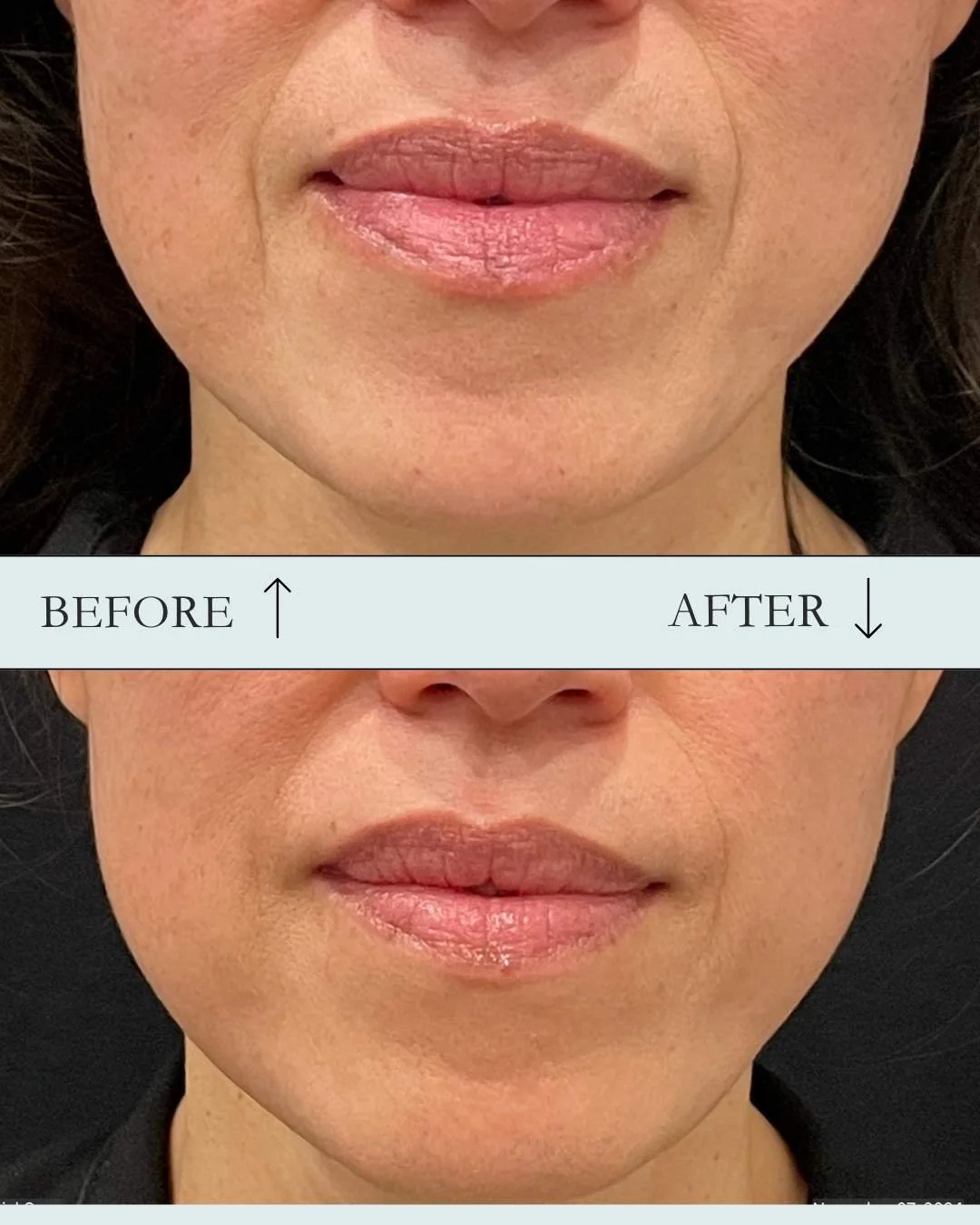
Wrinkle reduction around the lip lines and nasolabial folds
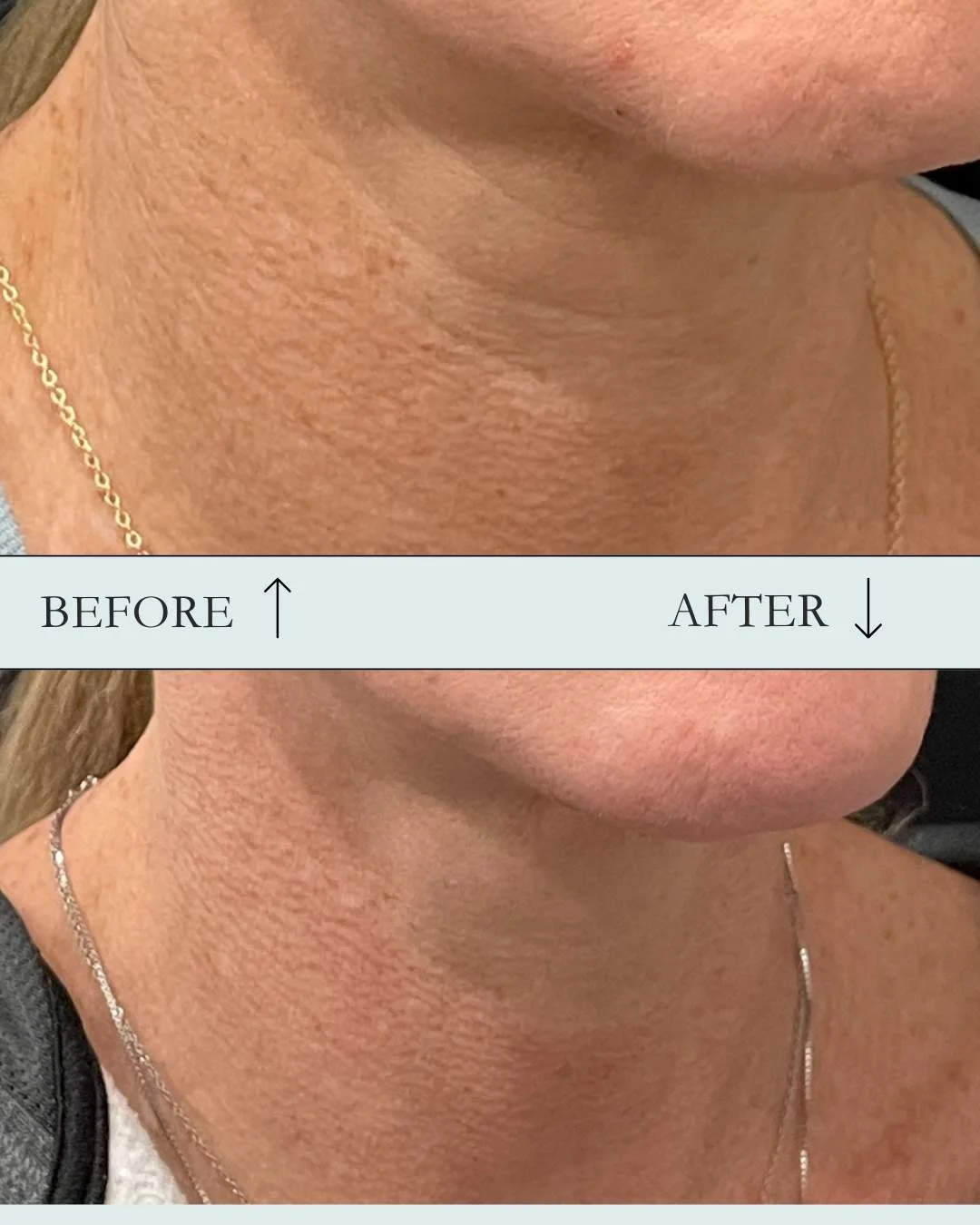
Wrinkle reduction to the horizontal neck lines.
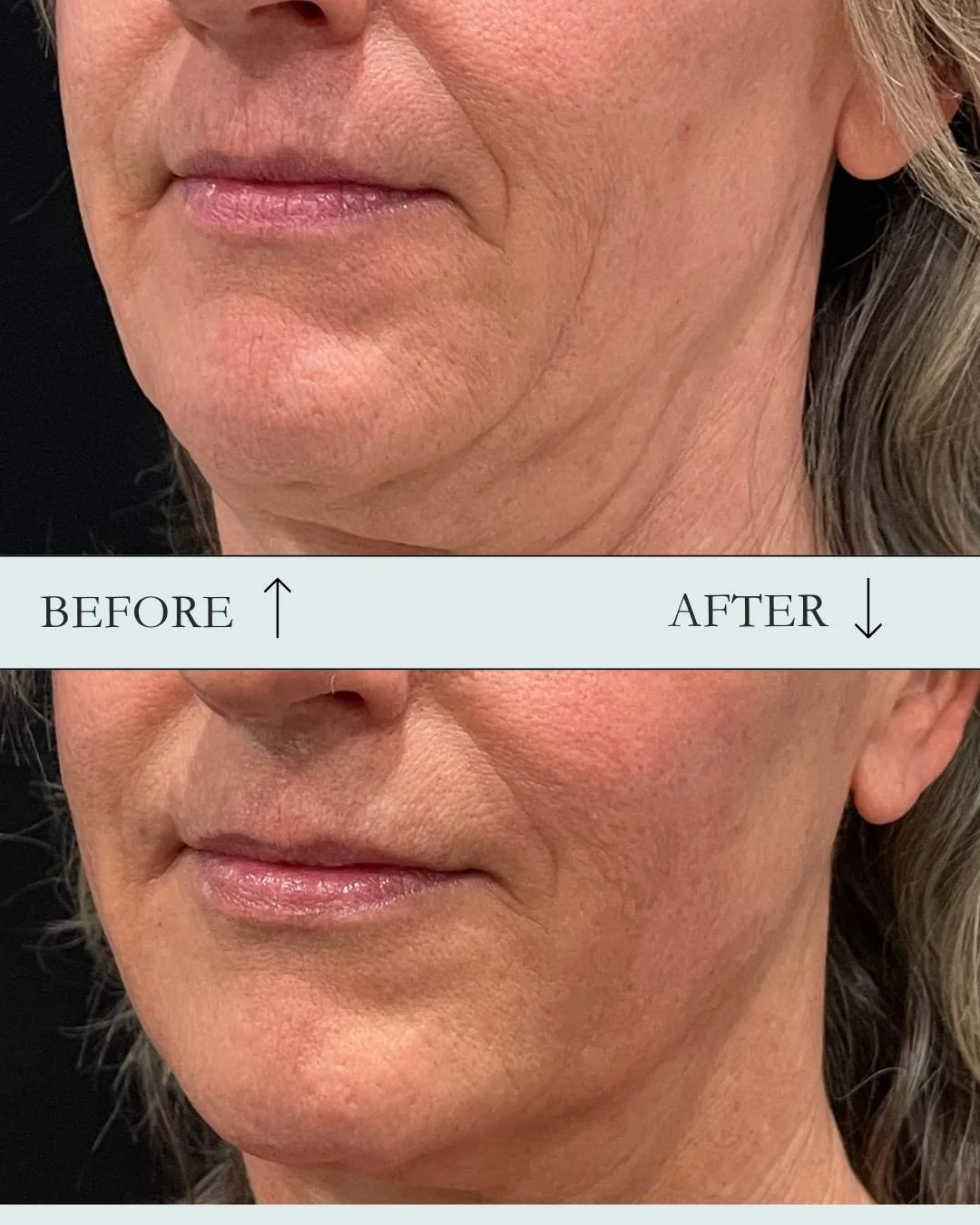
Wrinkle reduction around the lip lines, chin lines and nasolabial folds.
Product information:
RHA® Redensity is a viscoelastic, sterile, non-pyrogenic, clear, colorless, homogeneous and biodegradable gel implant of both crosslinked and non-crosslinked hyaluronic acid. It is produced with sodium Hyaluronic Acid (NaHA) with a concentration of 15 mg/g obtained from bacterial fermentation using the streptococcus equi bacterial strain, crosslinked with 1,4-butanediol diglycidyl ether (BDDE) and reconstituted in a physiological buffer (pH 7.3). RHA® Redensity also contains 0.3% lidocaine hydrochloride monohydrate to reduce pain on injection.
What are the potential side effects of RHA® Redensity Filler?
As with all injections, potential risks include temporary bleeding or bruising. Vascular occlusion would be extremely rare if performed by a skilled injector since arteries are typically not superficial or in the layer of the dermis. Other uncommon risks include: inflammatory reaction, infection, anaphylactic reaction, edema (swelling), filler migration, acne, blisters, scarring, papules and delayed onset of granulomas.
Jawline contouring and Double Chin Treatment with Genius RF Microneedling

Got a stubborn jawline? Would you like a more sculpted look? Getting the best solution to achieve that sculpted appearance requires knowing what the problem is in order to get to the root cause. Usually it’s not just one problem, but a combination of contributing factors. Well luckily, Genius RF microneedling can address multiple problems for optimal results. Let’s take a deep dive.
What causes a double chin or “Turkey neck”?
The natural aging process can lead to loss of collagen causing thinning and loose skin. Gravity contributes to the downward pull of the face and neck. Volume loss in the face, loosening ligaments and excess fat in the under chin area can all result in a “double chin” or “turkey neck” appearance.
Loose skin
Excess fat
Loss of collagen
Gravity
Natural aging process
Genius RF Microneedling for Skin Tightening and fat reduction:
Lutronic Genius combines radiofrequency with microneedling to boost collagen production and tighten skin. The depth of the micro needles can be adjusted to target fat and/or skin tightening. The treatment is non-surgical and requires very little downtime. You can expect some minor swelling and redness afterwards. But returning to normal activity within a day or two is typical. Although you will see improvement within 1-2 months, you may need a series of 2-3 sessions for best results.
Before and After Photos of Genius RF Microneedling for Jawline Contouring, Double Chin and Turkey neck:
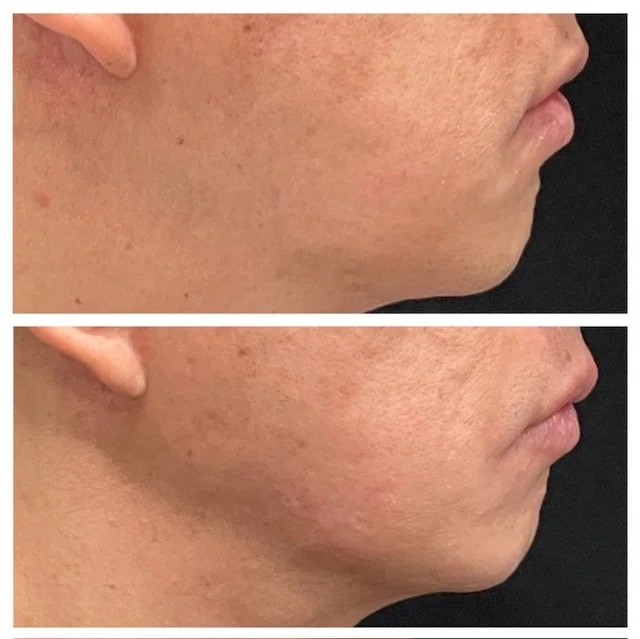
After 2 sessions of Genius RF
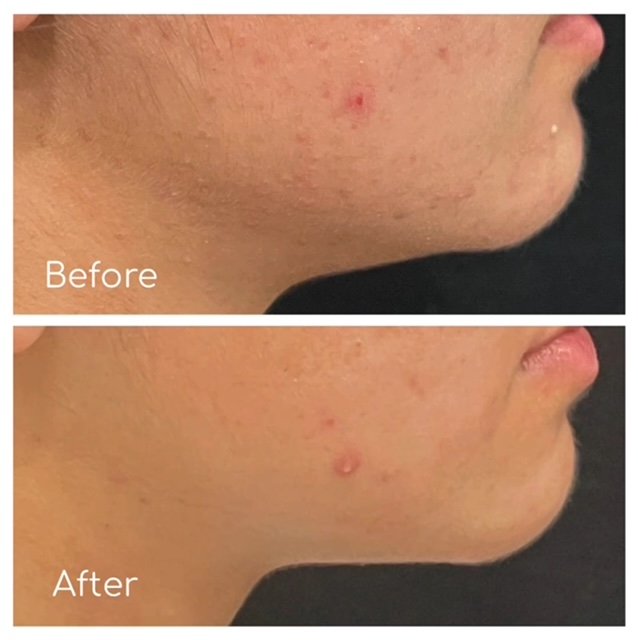
After 1 session of Genius RF
How does Genius RF Microneedling compare with Kybella?
Kybella is comprised of synthetic deoxycholic acid which helps to dissolve fat when injected underneath the skin. In the body, deoxycholic acid is a natural substance contained in bile acid and aids in breaking down and absorbing fats in our diet. Typically several vials of Kybella are required to cover the area under the chin which can be expensive. Kybella causes a significant amount of tissue swelling, resulting in a “bullfrog-like” appearance which can persist for 3-5 weeks. While Kybella can be effective for melting fat, it usually required multiple (2-5) sessions for optimal results. Kybella does not tighten skin, so loose skin can be problematic after the fat is dissolved.
Genius RF microneedling causes mild swelling and redness that can last for 7-14 days, but is not as dramatic as Kybella. Genius RF targets multiple depths and is effective for both fat reduction and skin tightening. It also improves skin texture and fine lines/wrinkles. At more superficial depths, Genius RF does not target fat so fat loss is not necessary and can be avoided if desired.
Before and After Photos of Genius RF for the Neck and Under Chin Area:
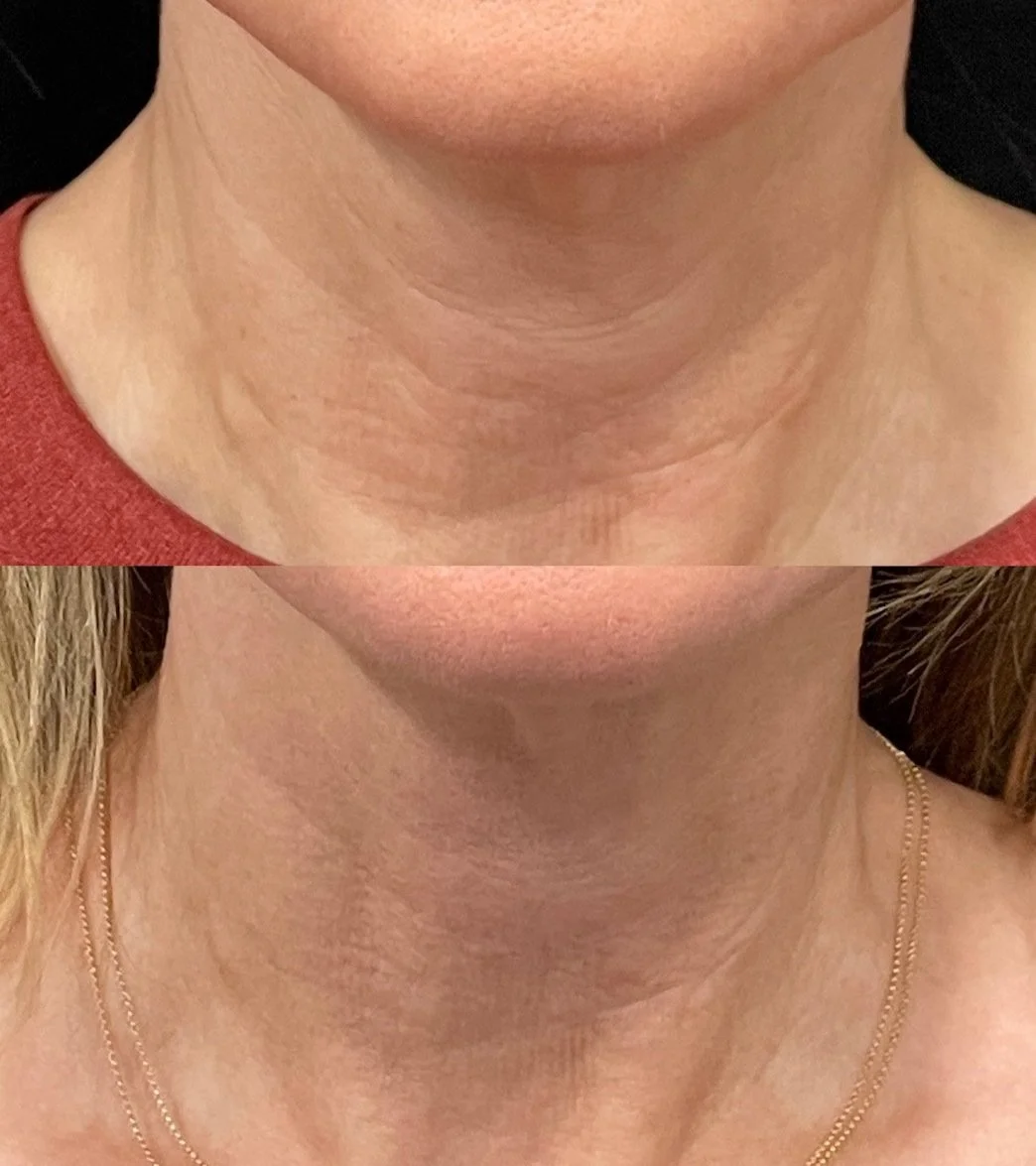
After 2 sessions of Genius RF
* Improved skin texture
* Improved fine lines/wrinkles
* Collagen stimulation
* Skin tightening
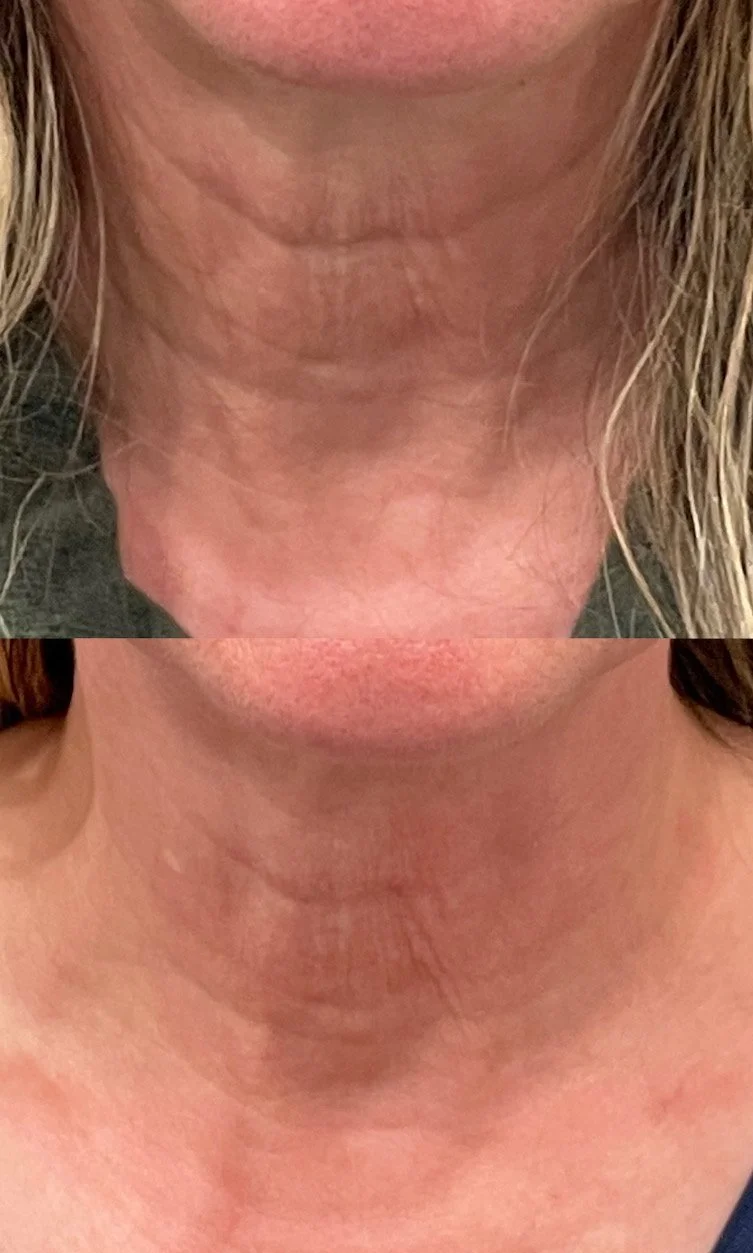
After 2 sessions of Genius RF
Genius RF microneedling for active acne and acne scars
Acne most commonly affects adolescents, but also extends into adulthood for many. It can be frustrating to manage, as it can lead to pigmentation changes and pitted scarring.
What causes acne?
Acne forms when hair follicles become clogged, trapping dead skin cells, bacteria and oil underneath the skin. Whiteheads will form when the excess oil mixes with the dead skin cells to form a plug close to the skin’s surface. Blackheads will form if the follicle is open to the skin. The usual bacterial culprit is Propionibacterium acnes (P. acnes) which can multiply when trapped within the pores, leading to inflammation, redness, and infection. Sometimes pus will form deep underneath the skin, causing pitted scars.
How can Genius RF Microneedling help with Active acne and Acne scarring?
Genius RF combines Radiofrequency heat with microneedling to reduce pore size, reduce oil production and stimulate collagen production. The reduced oil production and pore size leads to fewer acne outbreaks, while the improved collagen and elastin will help tighten the skin and reduce the appearance of acne scars.
What is the recovery like after Genius RF microneedling treatment?
Because the needles with Genius RF are ultra-fine, there is minimal injury to the skin surface. You can expect some redness and minor swelling following the treatment. The swelling resolves quickly (within 1-3 days). The redness peaks during the first 3-5 days and typically fades over the coarse of 1-3 weeks. You want to avoid soaking your treated skin under water (i.e. avoid saunas, swimming) for 2 weeks. You will also want to avoid strenuous workouts (sweating). But otherwise, you can return to normal activity within 1-2 days.
How can adding LaseMD or co2 laser help with Acne scars?
While Genius RF works underneath the skin to boost collagen, lasers work on the surface of the skin to smooth skin texture and remove pigment. Two of our favorite lasers to combine with Genius RF microneedling for acne scars include LaseMD Ultra and Ecotone eCO2 Laser.
Acne scar subcision may be needed for deeper acne scars
Deeper acne scars have thick fibrous bands of scar tissue below the skin, as well as loss of collagen at the skin surface. These scars respond better to subcision (using a needle to cut the scar bands beneath the skin).
What skincare products should I use after RF microneedling?
Protection against sun damage is important to prevent pigmentation (darkening of skin). 100% mineral sunscreen is recommended. For the first 3 days, it’s a good idea to avoid creams that could potentially clog pores and lead to acne outbreaks. Gentle cleansers are also recommended. Avoid retinol/tretinoin, glycolic or exfoliating cleansers for two weeks. At Rejuve Medspa, we have a variety of advanced skincare products that help to speed recovery, prevent complications, as well as enhance results.
Before and After photos of Genius RF for acne scars:
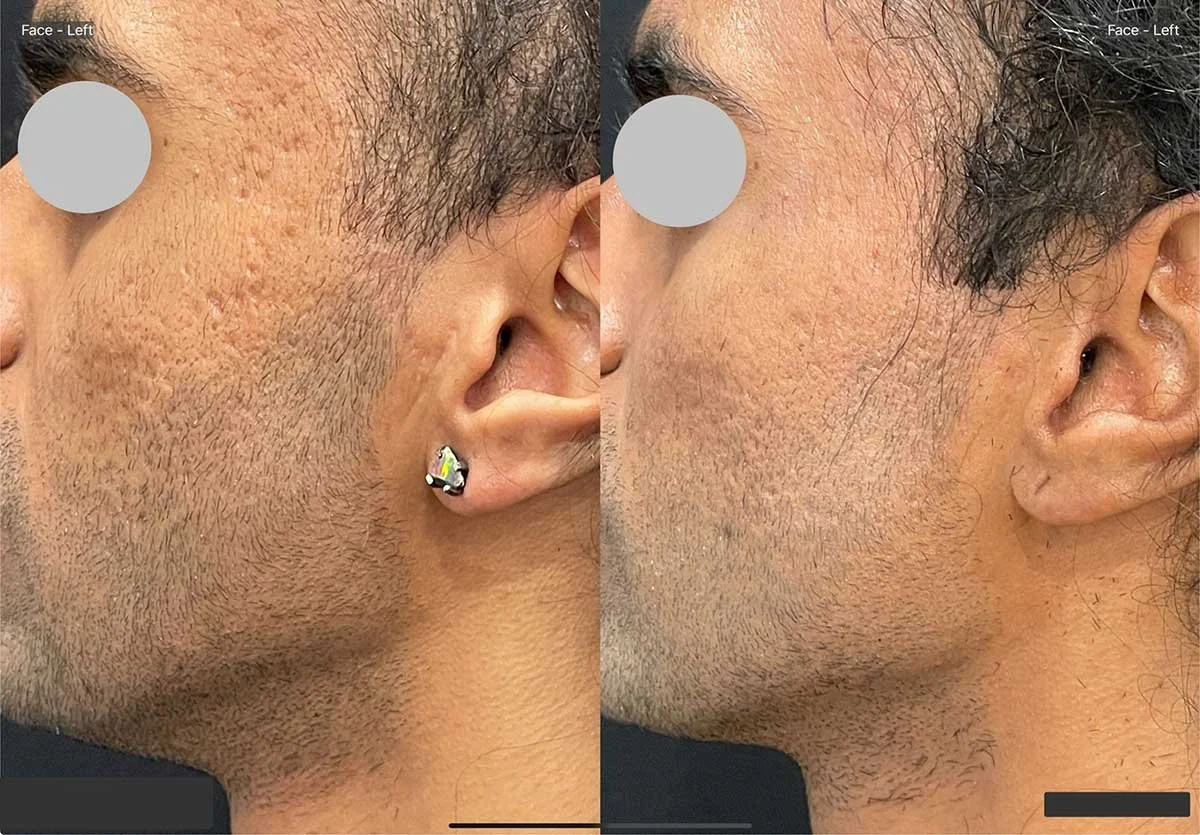
6 weeks after 1 session of acne scar subcision with PRFM injection, and 2 sessions of Genius RF/LaseMD combo.
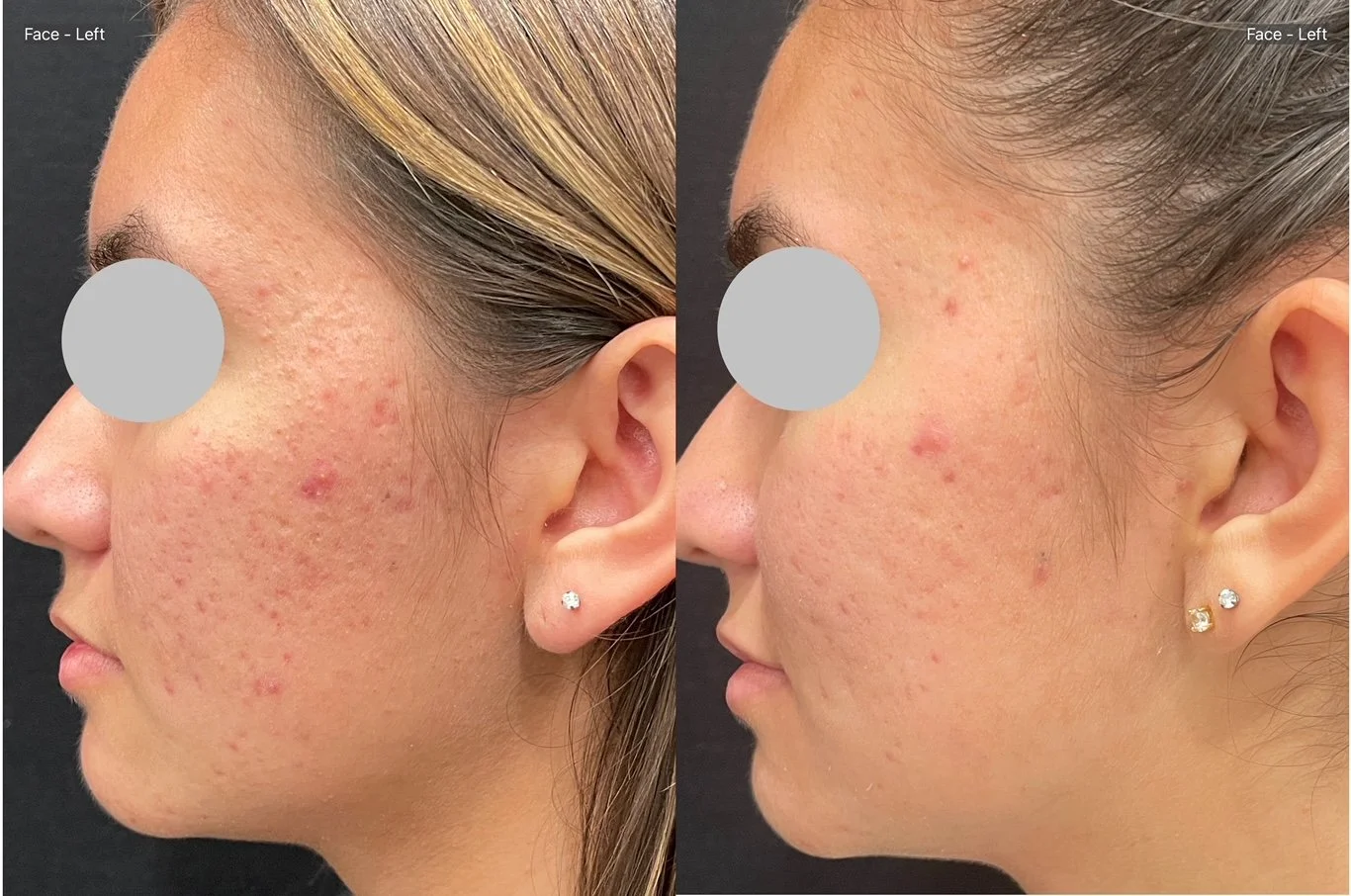
2 months after 1 Genius RF session
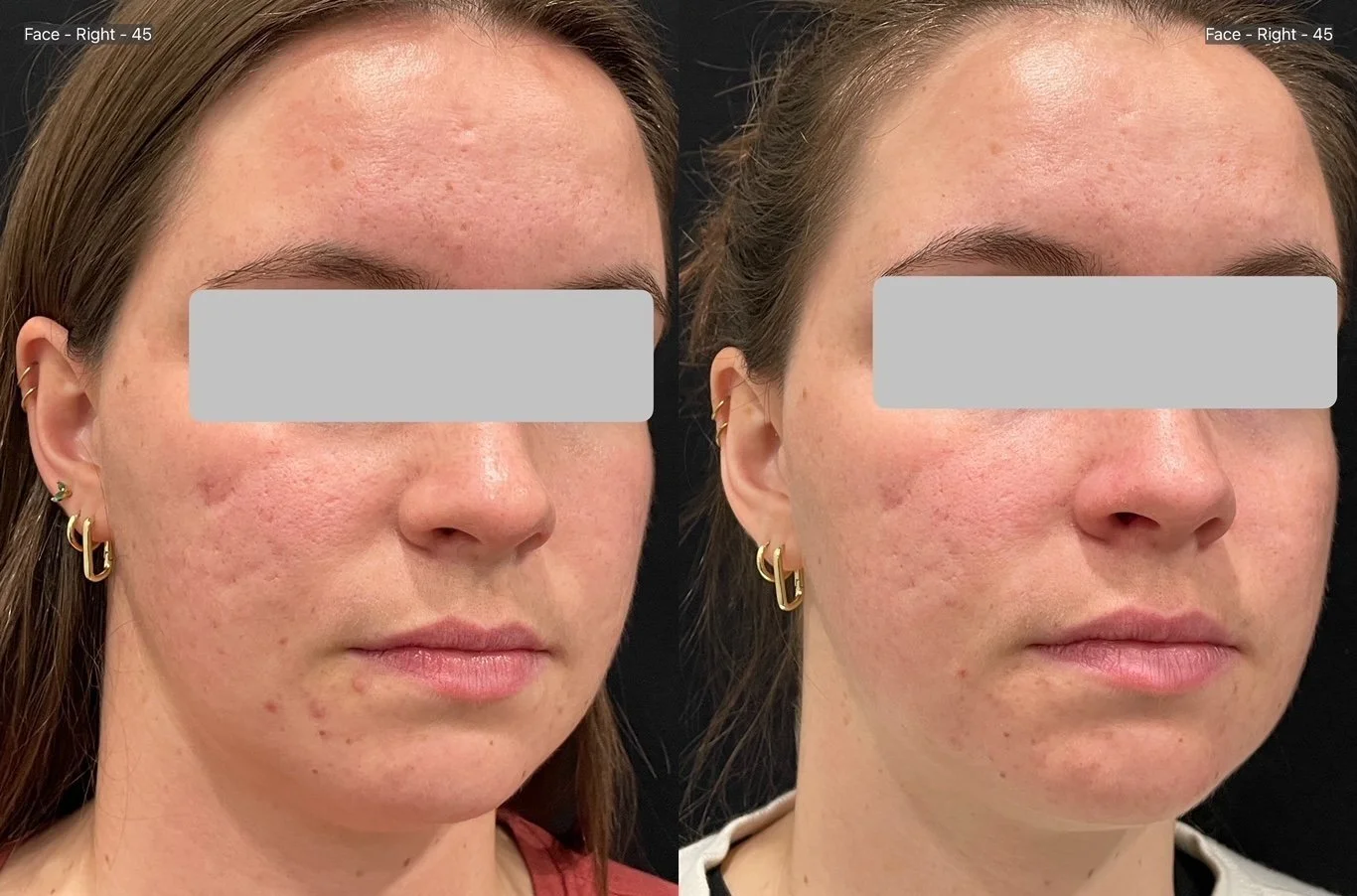
6 weeks after acne scar subcision with PRFM injection plus 2 sessions of Genius RF/LaseMD combo
What is the difference between RF microneedling and regular microneedling?
Regular microneedling pens have no added radiofrequency. The needles on a typical microneedling pen are shorter and stiffer, potentially causing more surface injury to the skin depending on how aggressive the treatment is. Although great results can be achieved with regular microneedling, more sessions will be required for a similar result compared with one session of RF microneedling.
How does Genius RF microneedling compare with other RF devices such as Morpheus 8 or Pixel 8?
The needles with Morpheus 8 and Pixel 8 are thicker and stiffer, causing more surface injury (more risk for bleeding, bruising, pain, and prolonged healing times), as well as higher risk for hyper pigmentation (darkening of skin). Genius RF has 49 gold-plated ultra fine needles compared with 28 needles on Morpheus 8, so Genius RF can provide more aggressive energy delivery. Despite being more aggressive, Genius RF has less associated downtime. There is more precision and control possible with Genius RF due to the intelligent feedback.
Genius RF for the Body: skin tightening, cellulite reduction, fat reduction
Genius RF microcneedling combines Radiofrequency with microneedling to stimulate collagen production giving your skin a firmer more toned appearance…not just for the face, but for the body too. At deeper depths, unwanted fat can also be targeted if desired.

How does Genius RF work?
Genius RF microneedling at Rejuve Medspa uses a handheld device with 49 gold-plated sterile needles to deliver radio-frequency energy, stimulating your own body's collagen and elastin production. Dr. Kaplan programs the proper settings depending on the problem being addressed. The Genius device monitors the energy delivery in real-time and adjusts the flow as needed to ensure the right amount of energy is delivered for each patient and treatment.
What can Genius RF Treat?
On the body, Genius RF can address loose skin, wrinkles, stretch marks, scars, cellulite and fat reduction. 1 - 3 sessions may be required for best results.
What is the downtime for Genius RF?
Because the needles with Genius RF are ultra-fine, there is little injury to the surface of the skin. You can expect some redness and minor swelling after the treatment. The swelling resolves quickly (within 1-3 days). The redness is at its peak the first 3-5 days and typically fades over the coarse of 1-3 weeks. You want to avoid soaking your treated skin under water (i.e. avoid saunas, swimming and baths) for 2 weeks. You also want to avoid strenuous activity that would cause sweating for 24-48 hours. But otherwise, you can return to normal activity quickly.
What does the Genius RF treatment feel like?
Genius RF requires topical numbing with medical grade numbing creams. The treatment can be a bit “spicy” (hot, stinging sensation), but otherwise well- tolerated.
Before and After Photos of Genius RF for the abdominal area:
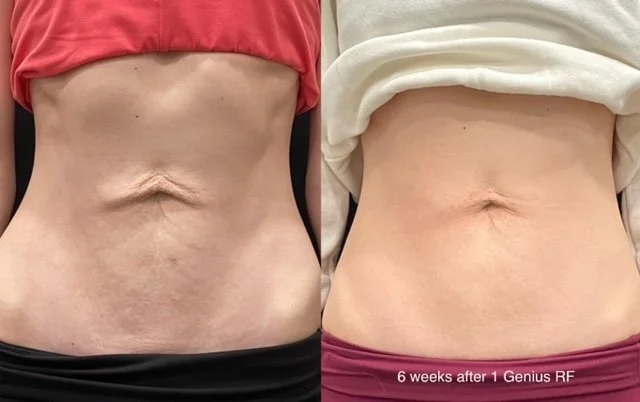
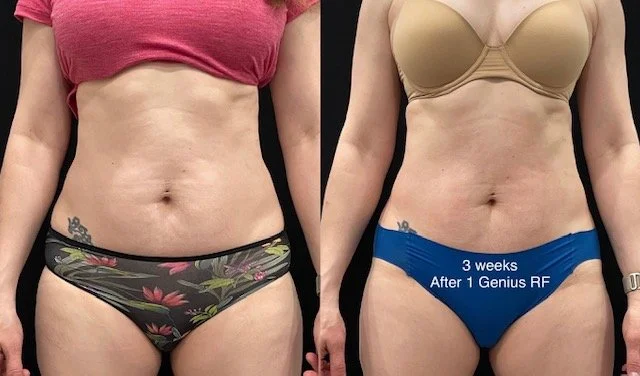

RHA Redensity filler - novel wrinkle treatment
The thought of fillers often conjures visions of overfilled cheeks. But Redensity is a unique filler - the only one of it’s kind to be specifically designed for injection directly into the dermis (skin) for treatment of wrinkles. RHA Redensity is created more like your own natural hyaluronic acid (HA), thus allowing for normal movement without interfering with facial expressions.
At Rejuve Medspa in Newcastle, WA Dr. Kaplan uses Redensity filler to address wrinkles on the face - most commonly nasolabial folds and lips lines. Redensity can also improve the appearance of neck lines and even pitted acne scars. The goal is to soften the wrinkles without changing the shape or the natural movement of the face.
Before and after photos of redensity filler:
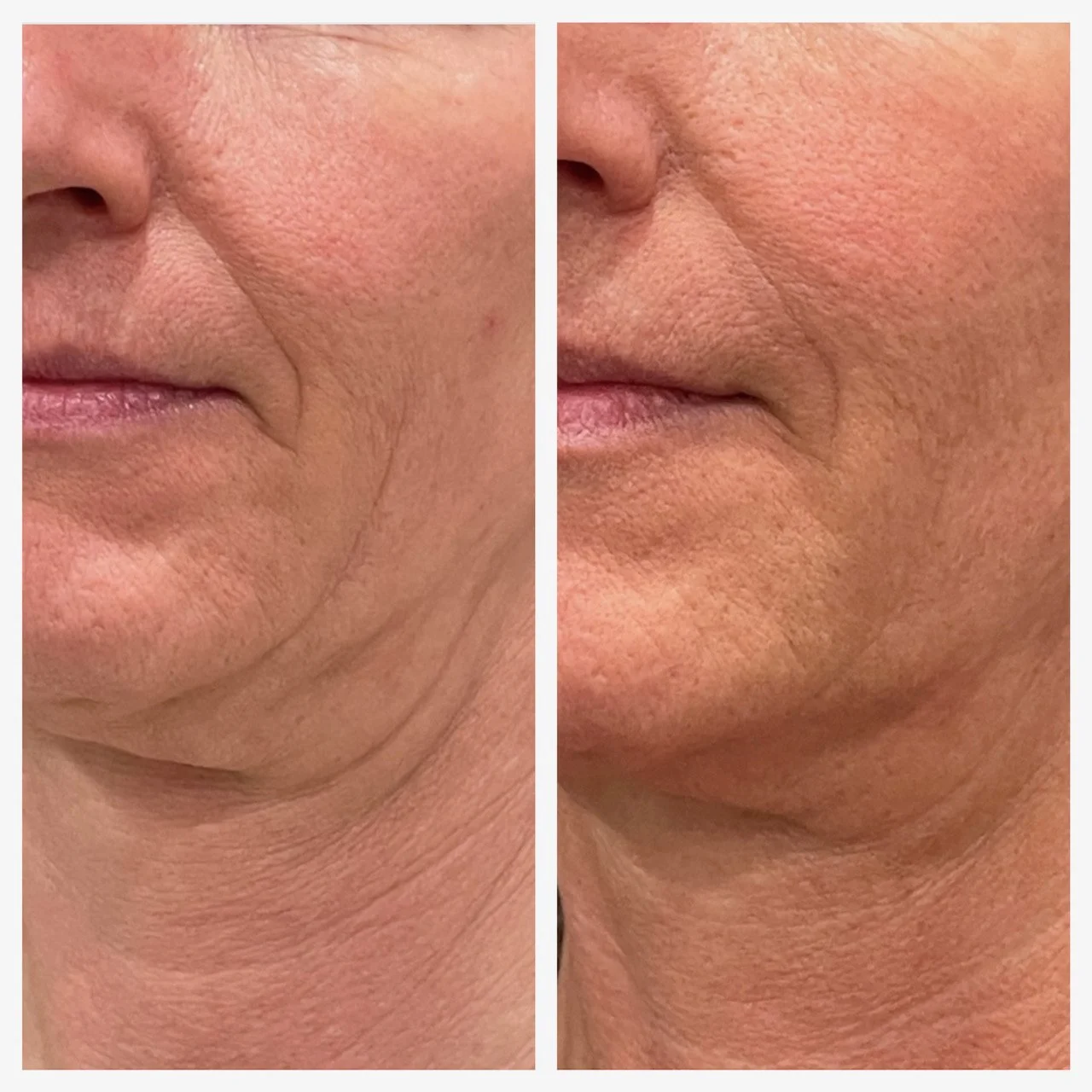
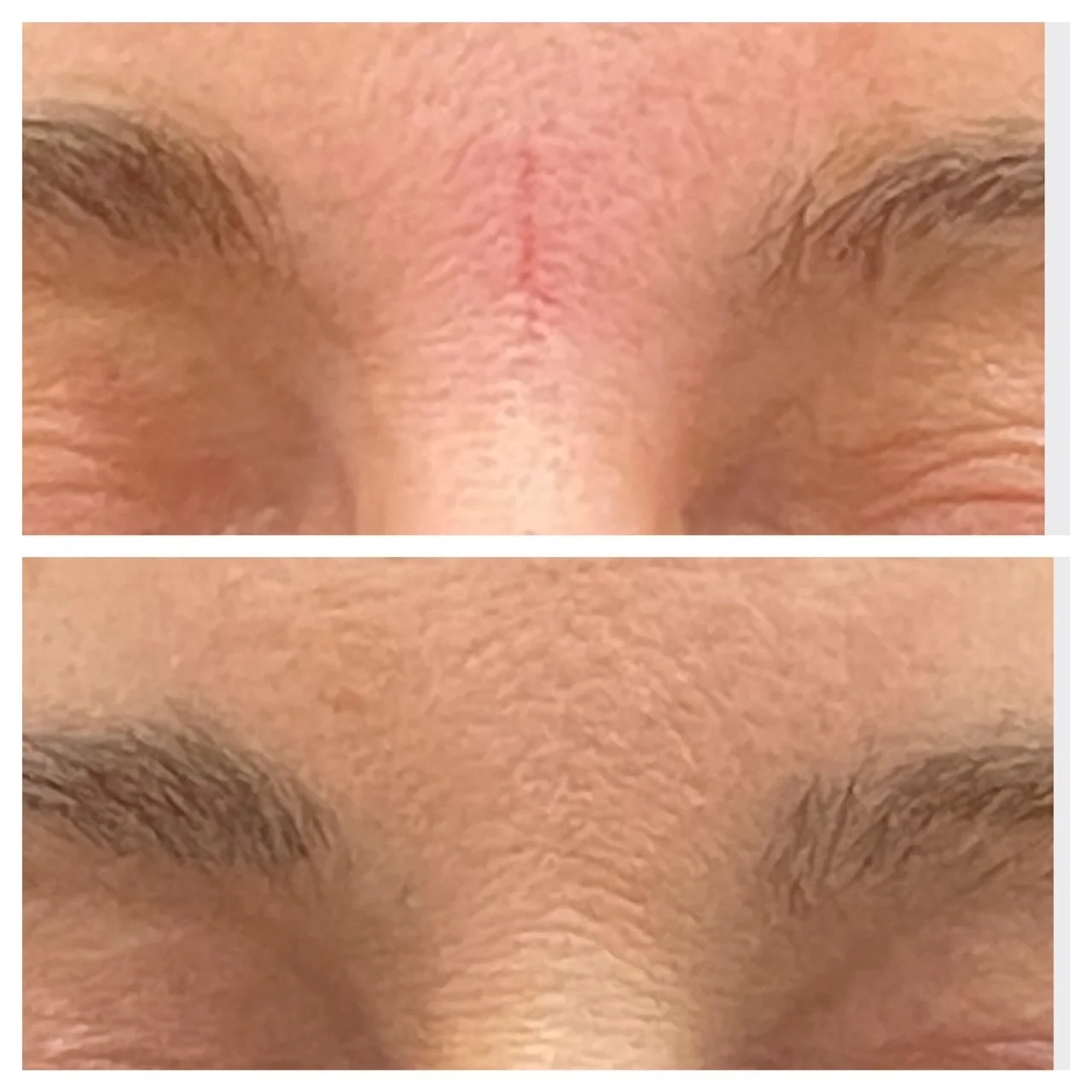
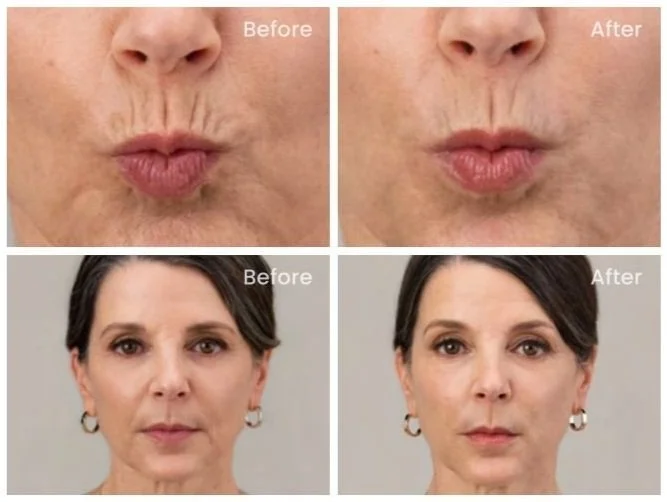
How long does Redensity Filler Last?
Since Redensity is designed to be injected directly into the skin, it also induces collagen production. Only tiny amounts are injected very superficially into the skin. Wrinkles appear softer immediately. Results can last for up to 15 months.